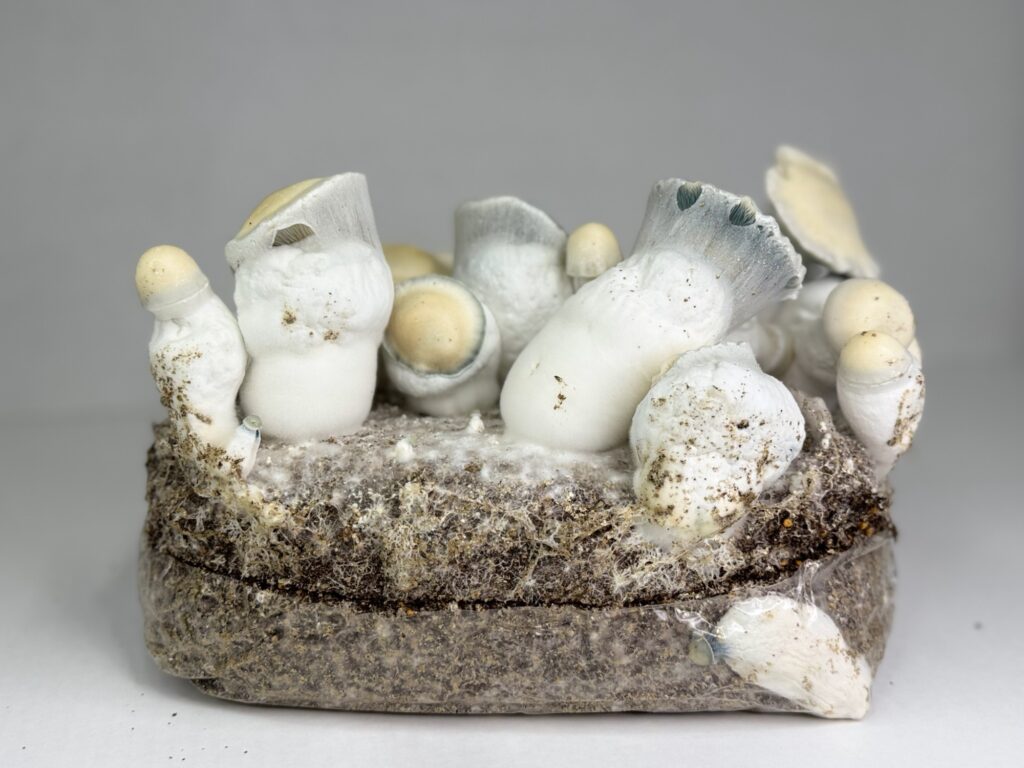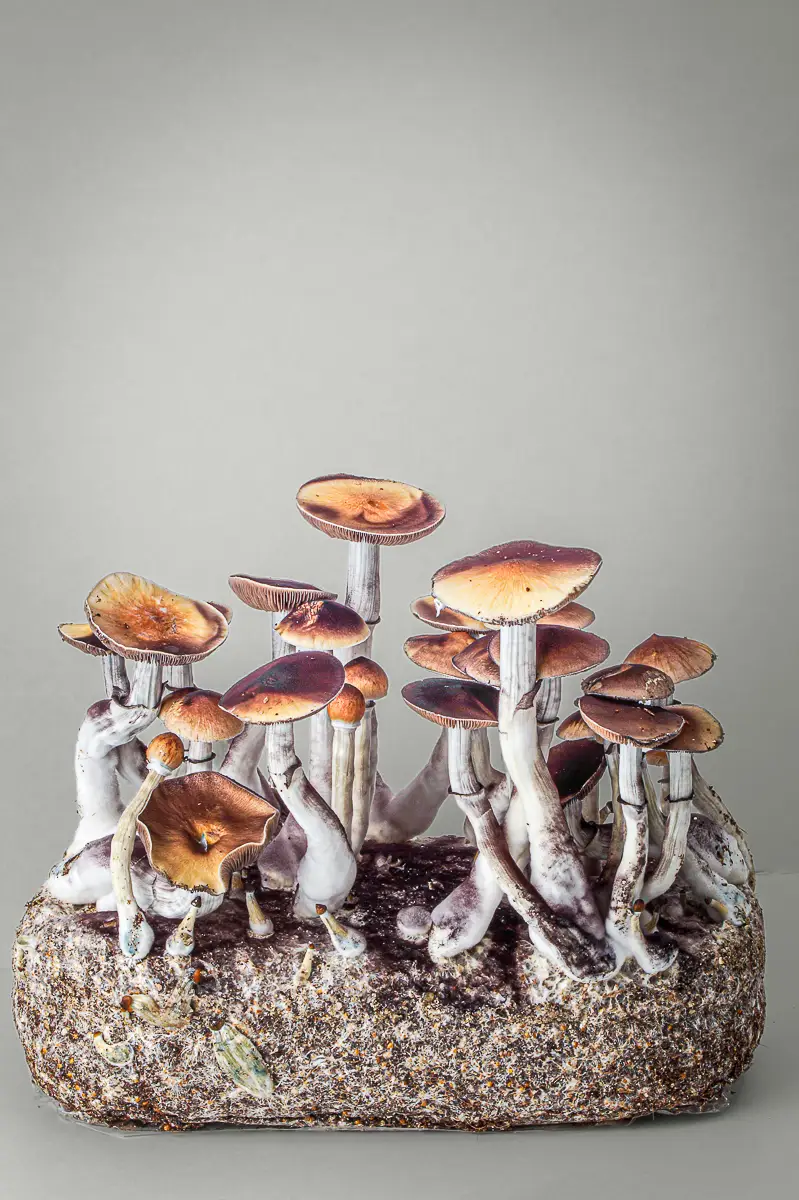

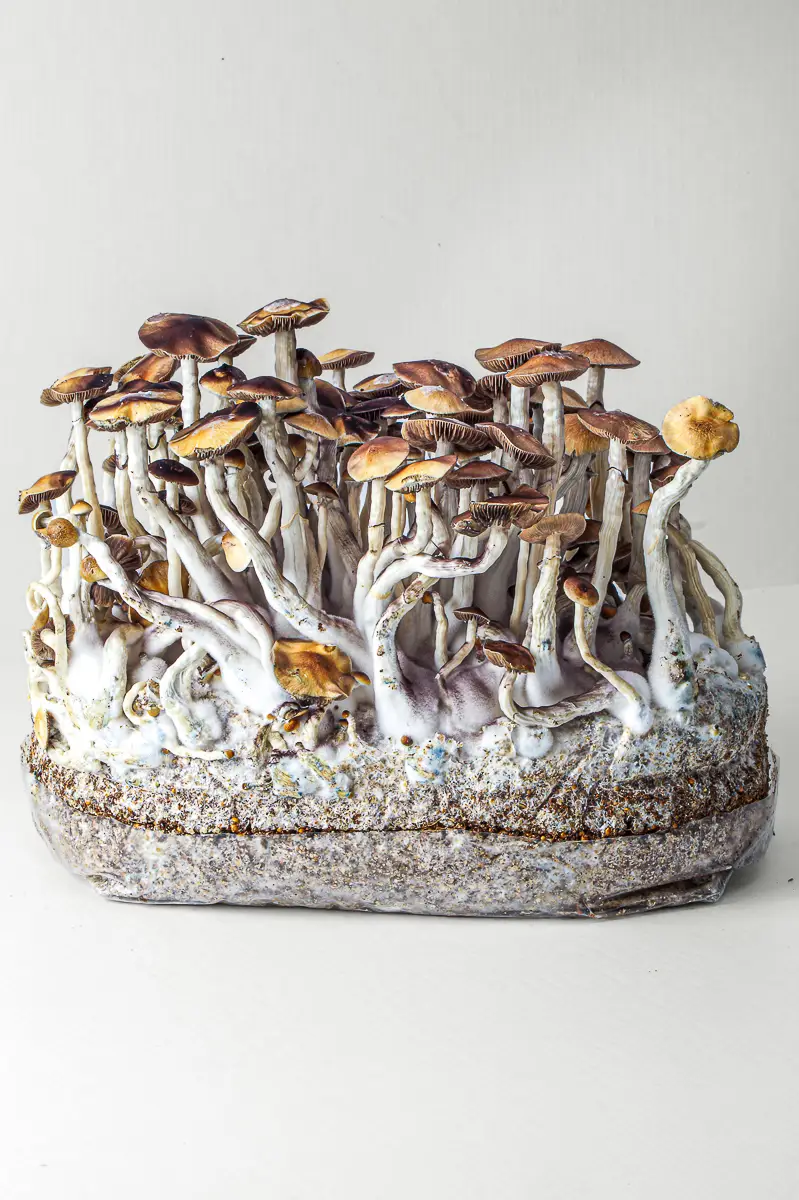



Mazatapec is a classic Psilocybe cubensis variety whose name and community history connect it with Mexico’s Sierra Mazateca region.
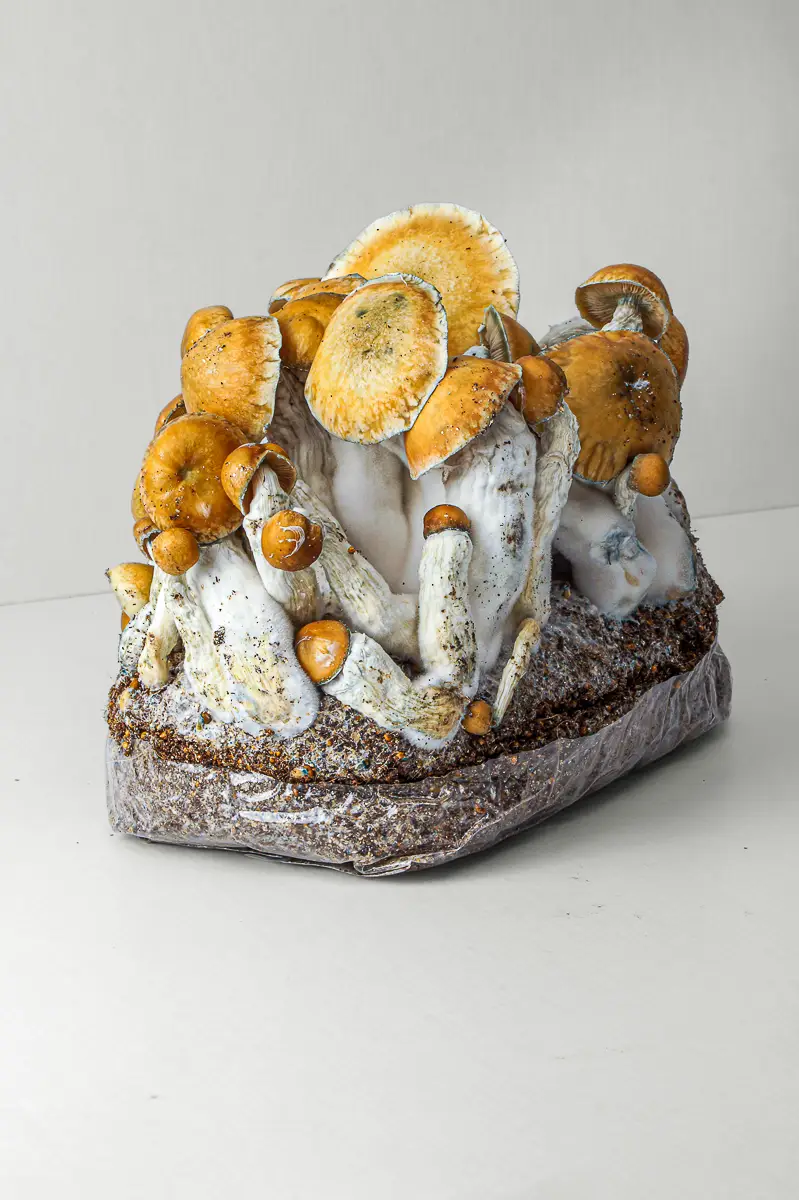
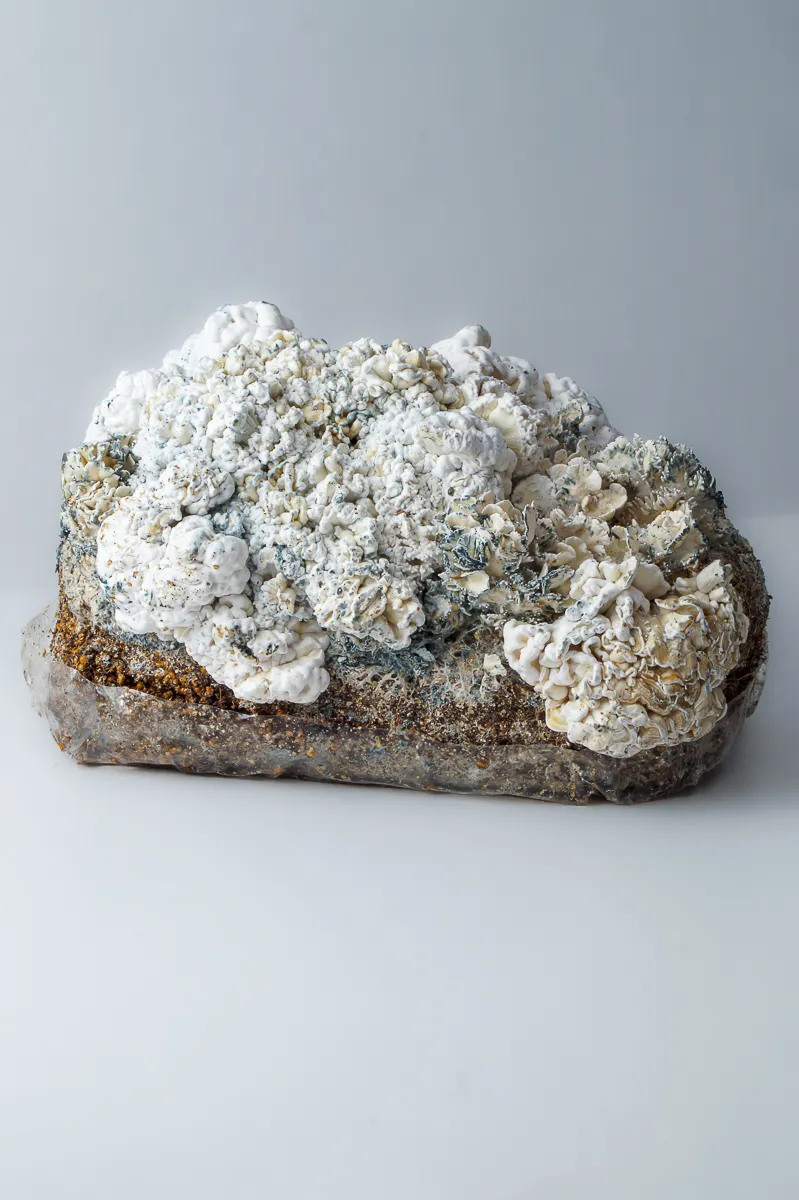
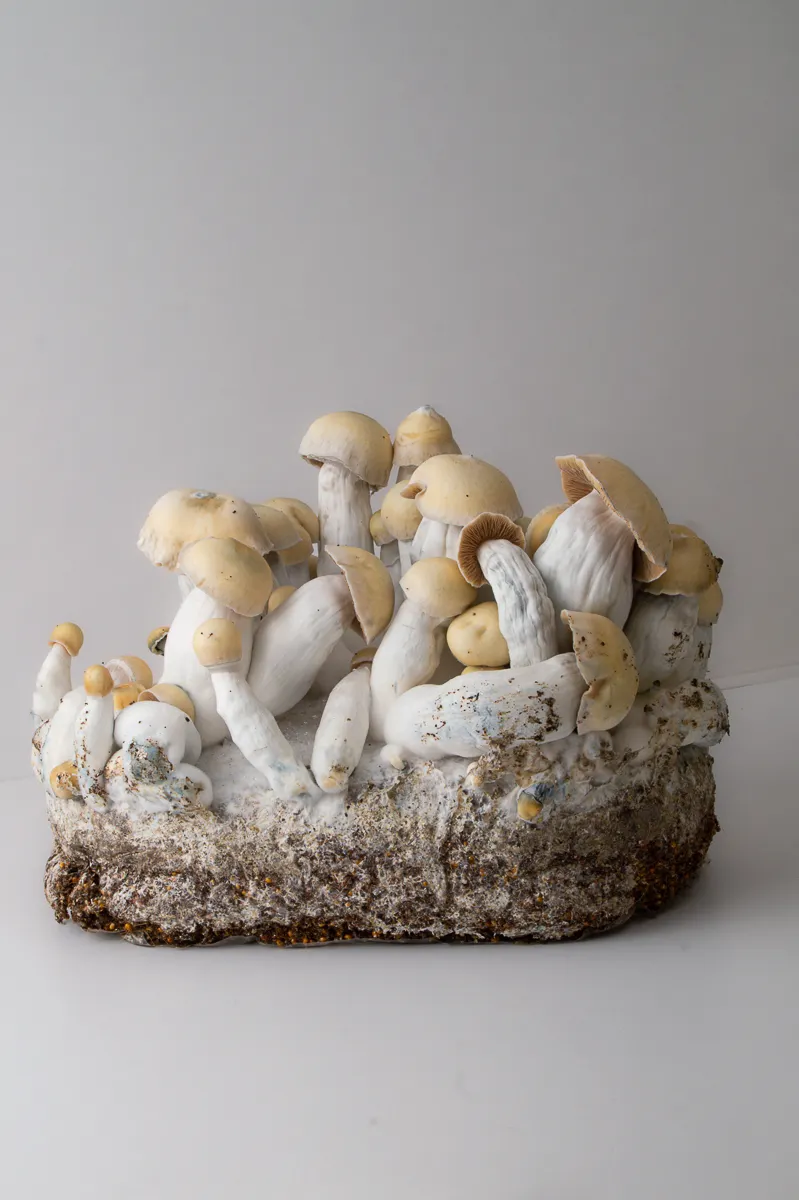
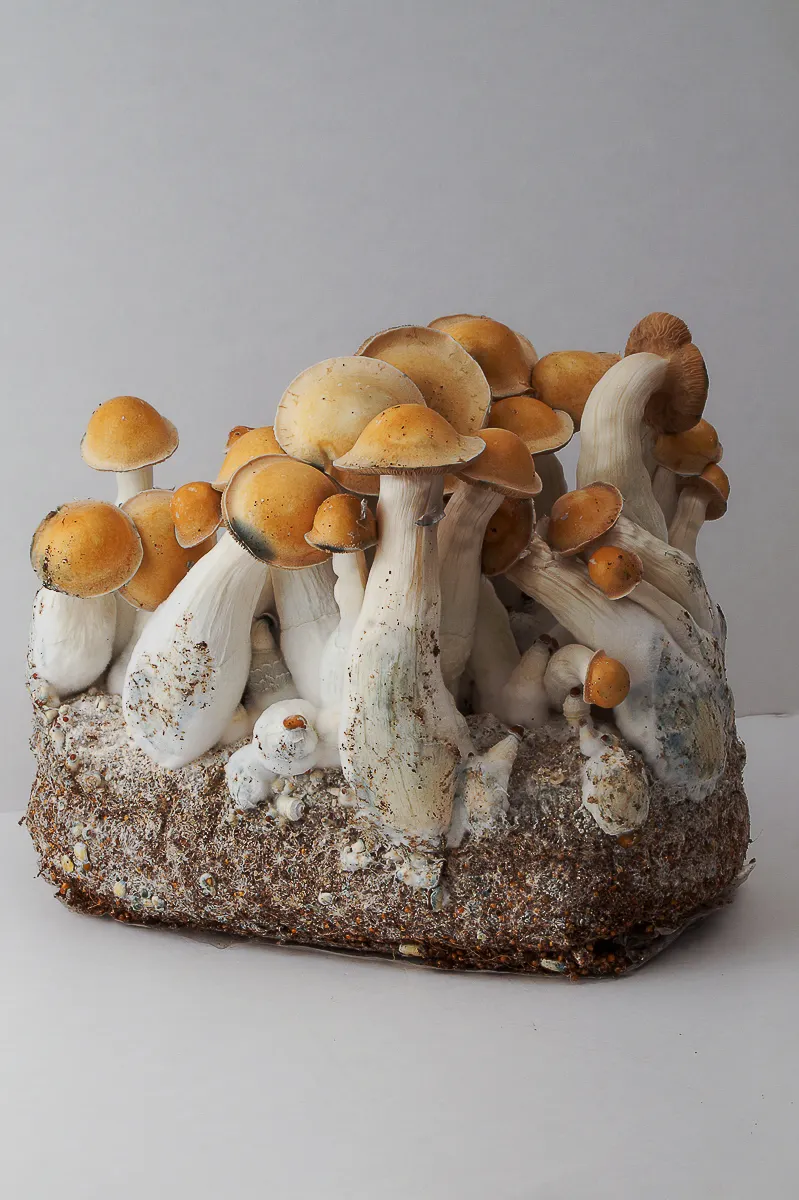
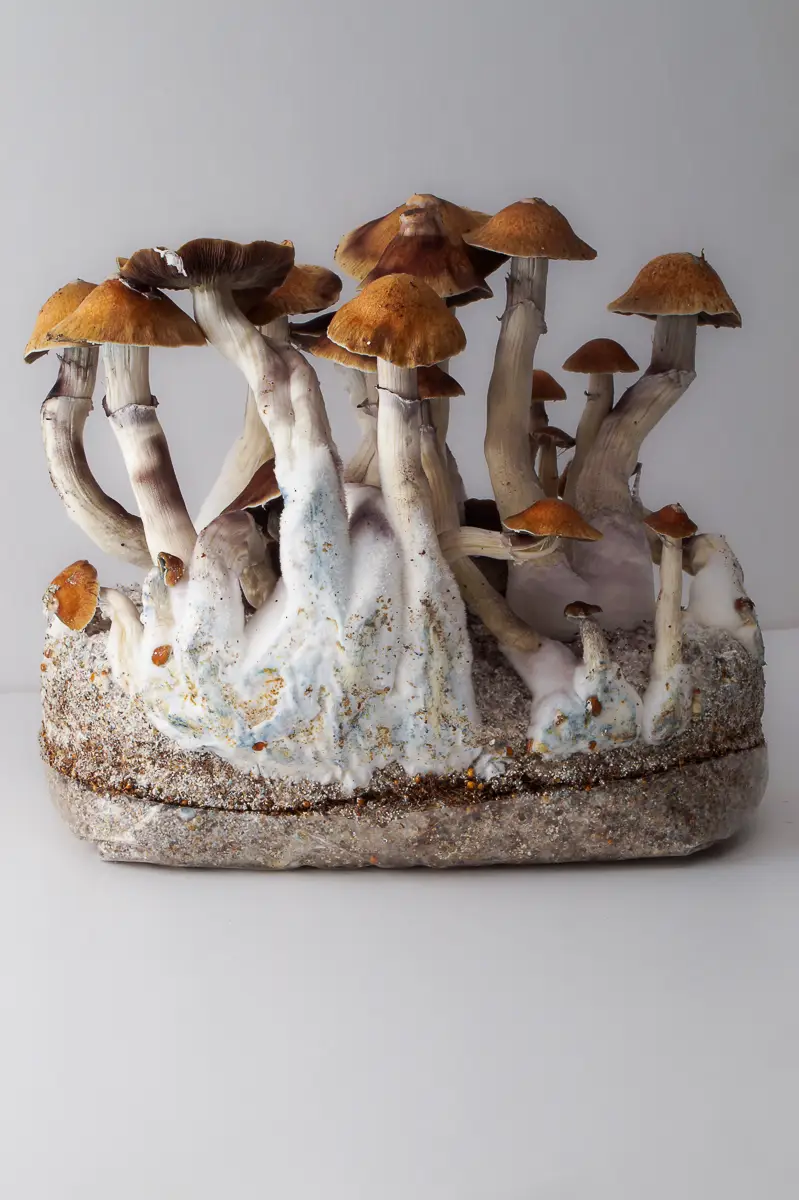
The Mazatapec grow kit is associated with regular fruiting bodies, slender proportions and a morphology that remains close to the traditional cubensis form.
The line
About Mazatapec
The name refers to the Mazatec people and the Sierra Mazateca region in the Mexican state of Oaxaca. The area is known for a long tradition of using mushrooms of the genus Psilocybe during ceremonies known as veladas. Mazatec knowledge gained international attention in the 1950s, partly through the publications of Gordon Wasson, and contributed to the development of ethnomycology and modern interest in psilocybin. The exact origin of the genetics now sold as Mazatapec has not been well documented, so the name primarily indicates a cultural and geographical association with Oaxaca.
Morphology
Structure and appearance of Mazatapec
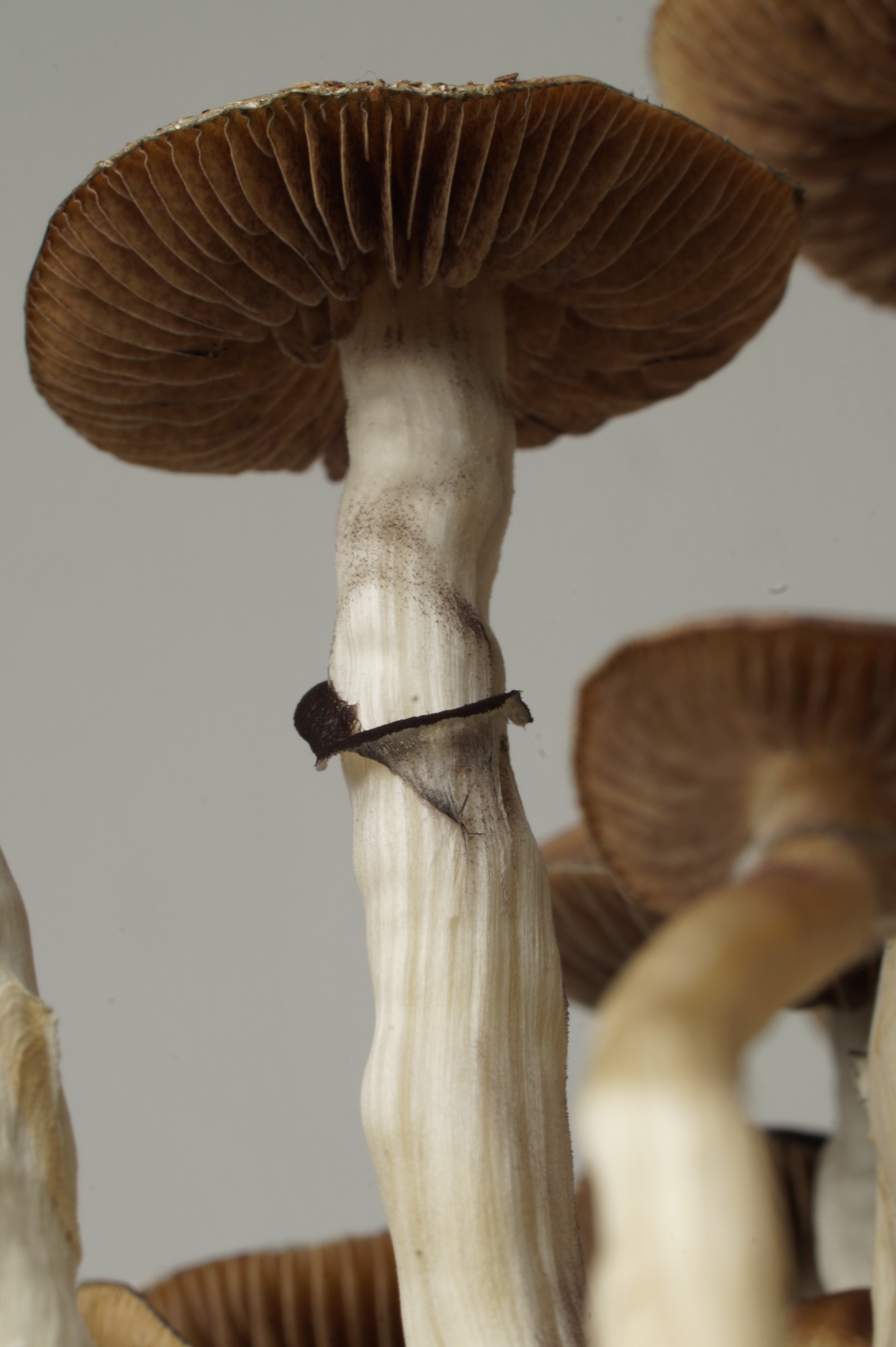
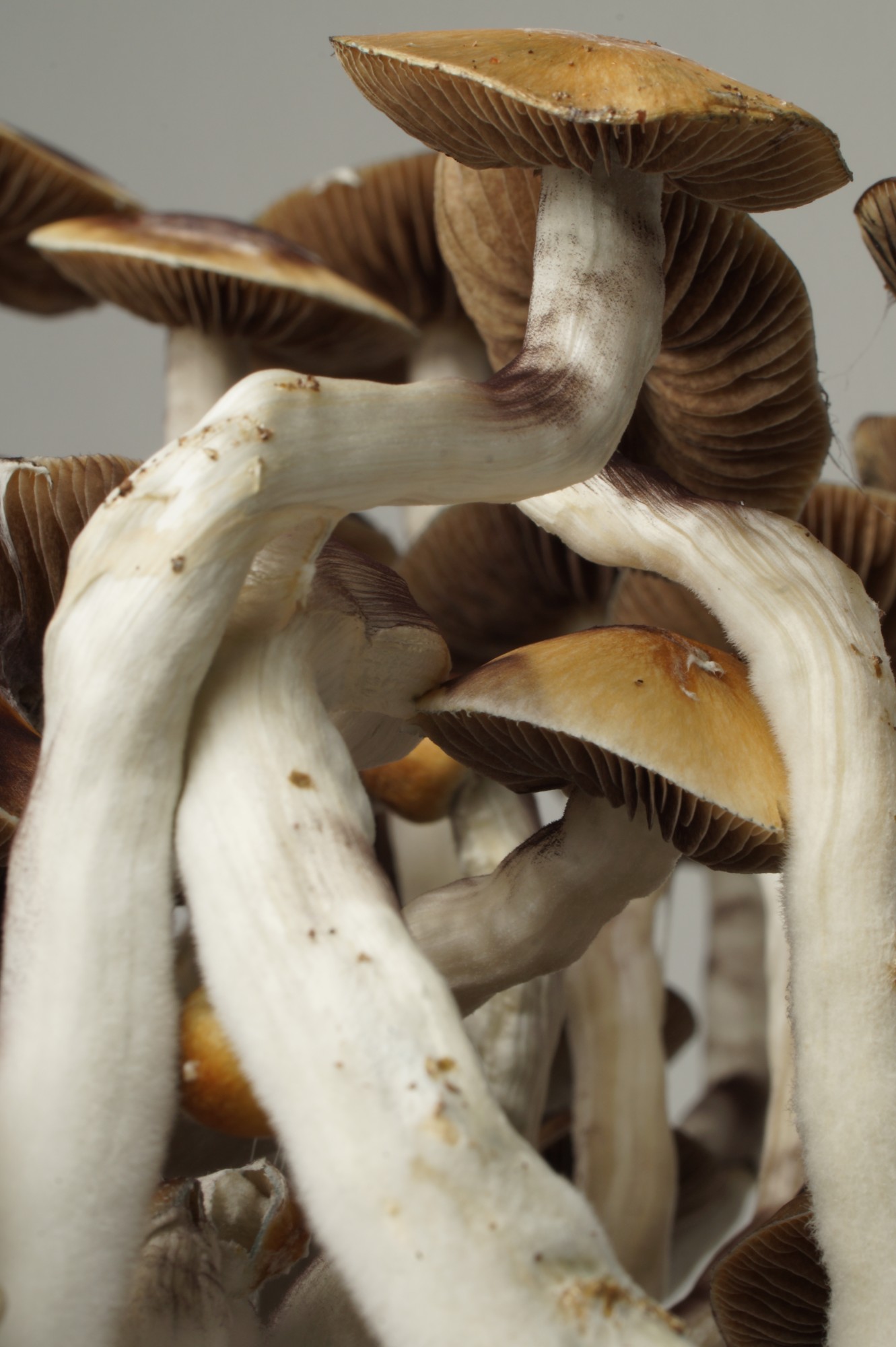
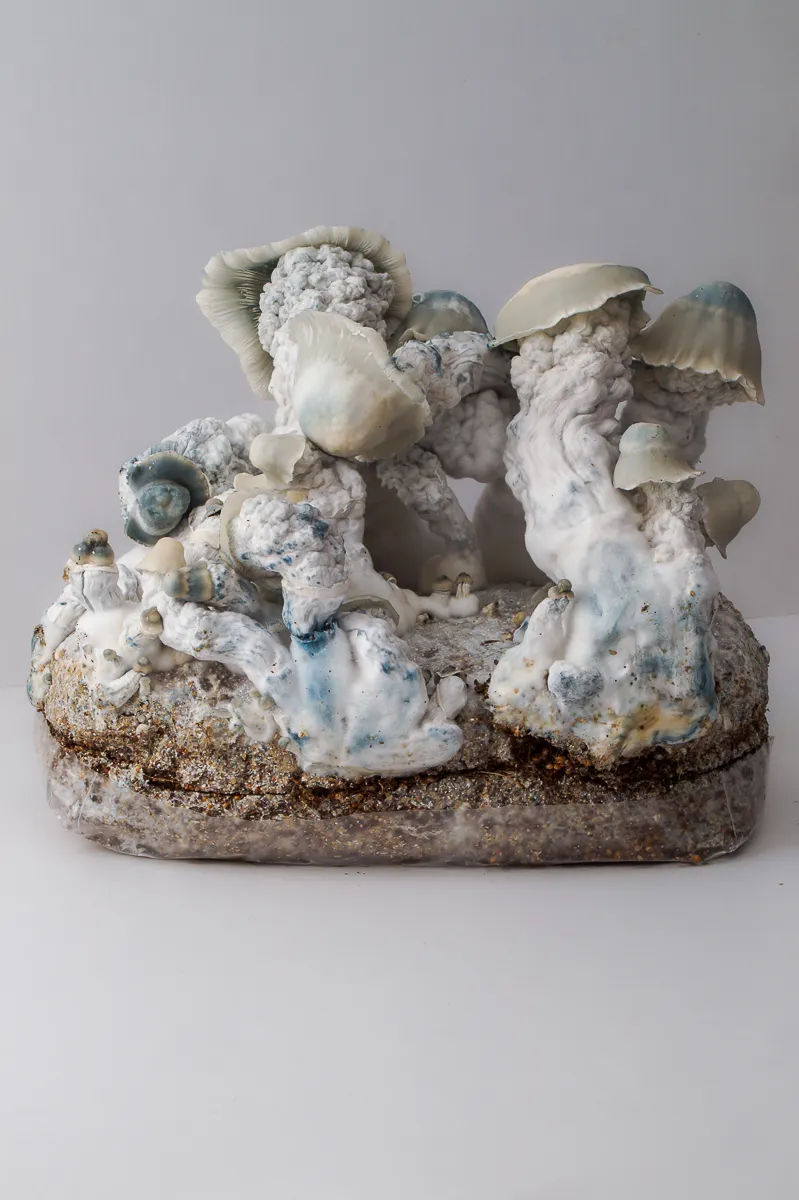
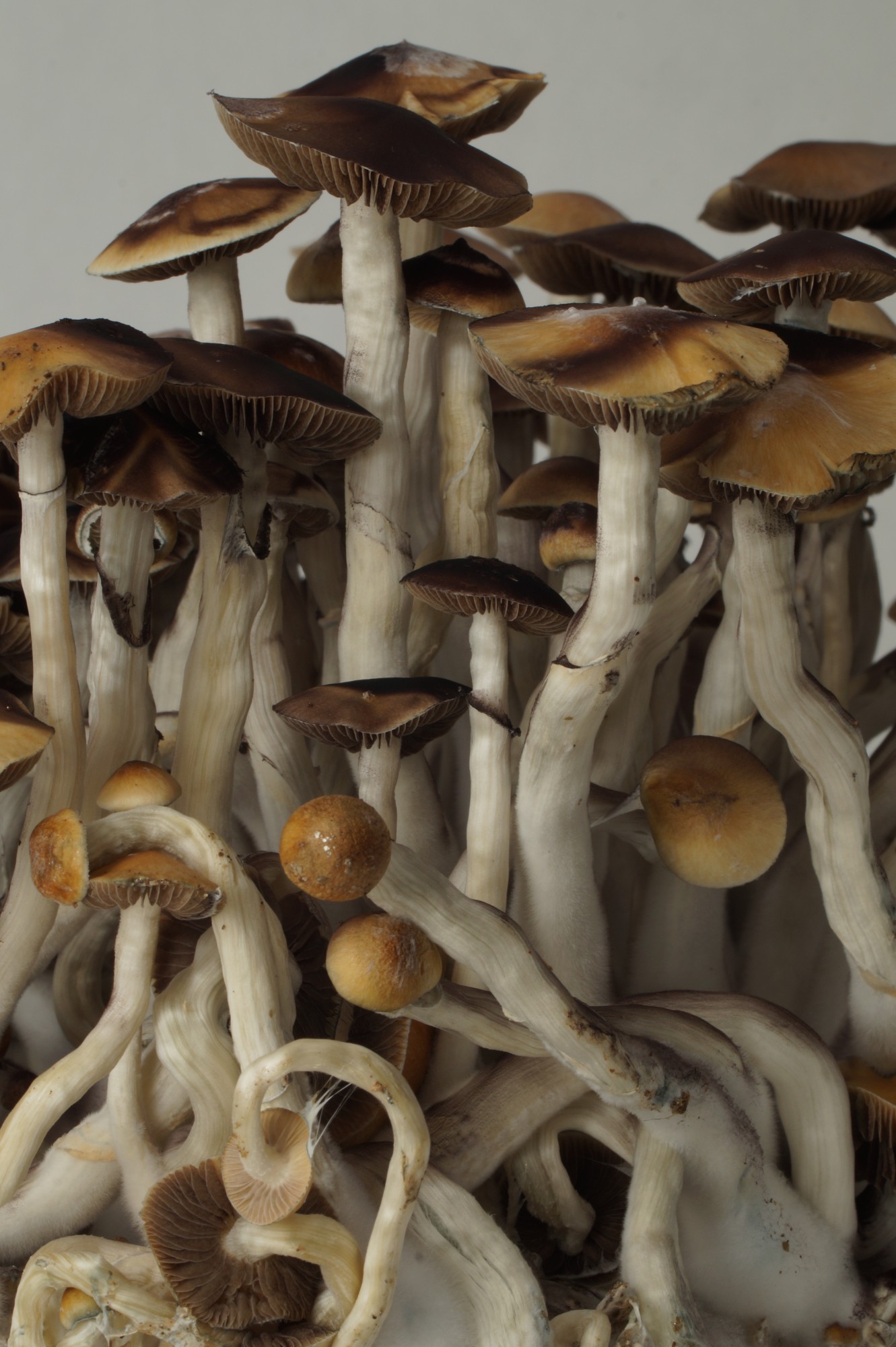
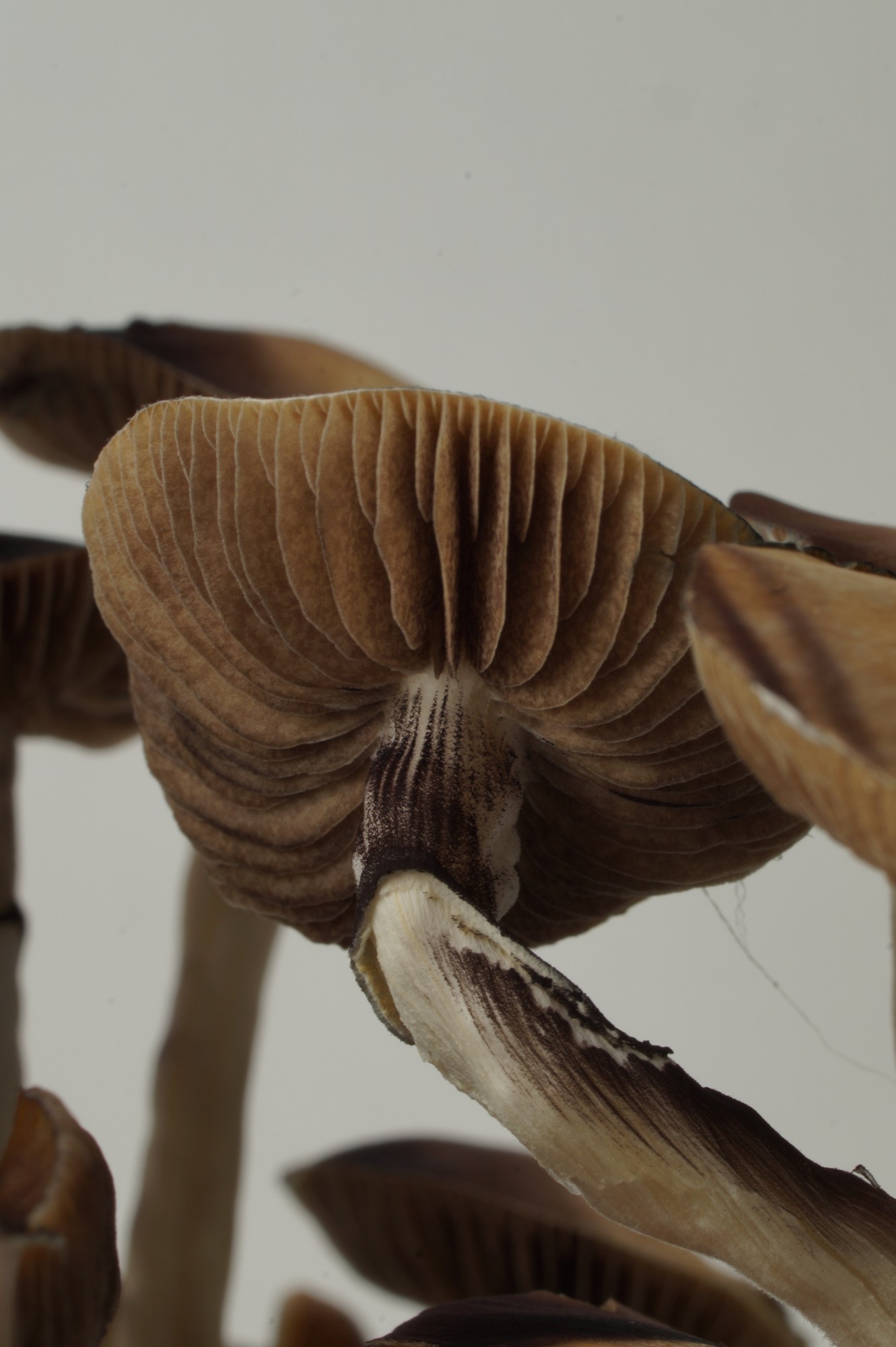
The fruiting bodies develop slender, pale to beige stems and caramel-brown caps with a distinctly darker centre. The caps remain regular in shape, often with lighter or slightly speckled edges. The variety may form numerous, evenly distributed clusters and is visually one of the more classical representatives of Psilocybe cubensis. Its alkaloid content is commonly described as moderate in the source material.


Development
Development profile of Mazatapec
Maturity is easiest to recognise when the veil beneath the cap breaks. The caps gradually open and take on the characteristic form of the variety, while the stems retain their slender proportions. Spore release begins once maturity is reached. The source material associates Mazatapec with warm conditions of approximately 21–25°C and describes its development as regular rather than highly variable or mutation-prone.
In short
Why choose Mazatapec?
The Mazatapec grow kit combines classic Psilocybe cubensis morphology with a strong cultural and geographical connection to the Sierra Mazateca. Its familiar caramel-brown caps, slender stems and regular development make it a useful reference point alongside more experimental modern genetics.