

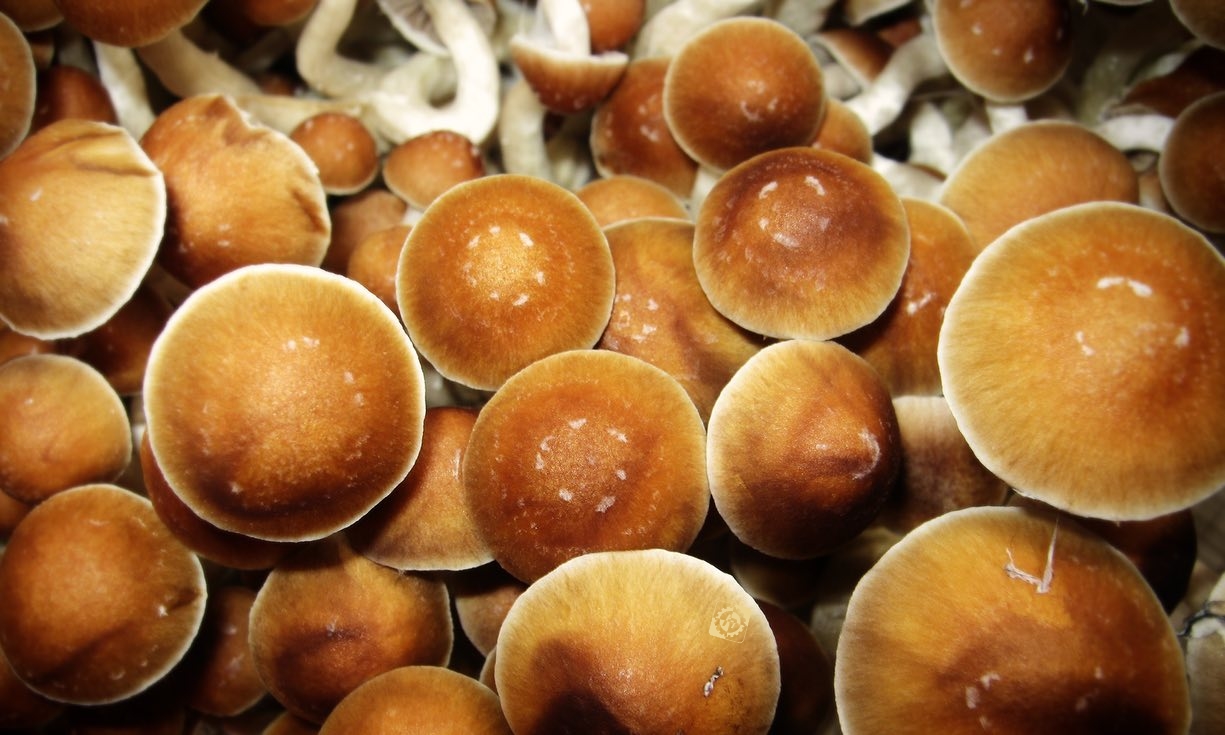

Most Popular Psilocybin Mushroom Species
It’s often believed that all hallucinogenic mushrooms are dangerous and illegal, but in reality, there are many species of psilocybin mushrooms that are popular in various cultures and are the subject of scientific research due to their potential therapeutic benefits. The world of psilocybin mushrooms is rich in species, each with unique properties and effects. Knowledge about these fascinating organisms is crucial for both mycology enthusiasts and those interested in their medicinal uses. In this article, we’ll take a closer look at both the most significant representatives of these mysterious mushrooms and their potential applications, which could open up new perspectives in the field of therapy.
Top Psilocybin Mushroom Species in the World
Mycology enthusiasts and those seeking natural psychedelic experiences often focus on a few key species of psilocybin mushrooms. These organisms, known for their extraordinary psychoactive properties, are the subject of scientific research that uncovers their potential in treating various mental disorders. Below is a list of the most common and valued species of psilocybin-containing mushrooms:
- Psilocybe cubensis – This is one of the easiest and most accessible species to grow, often chosen by beginner enthusiasts.
- Psilocybe semilanceata – Often called Liberty Cap, this is a species commonly found in Europe, known for its strong psychoactive properties.
- Psilocybe azurescens– Possessing some of the highest psilocybin concentrations, this species is prized for its intense effects and is found primarily in the western United States.
- Psilocybe cyanescens– Known as Wavy Caps due to its characteristically wavy caps, this is a species with potent hallucinogenic properties that can be found in many regions of the world.
- Psilocybe mexicana– Known for its historical use in religious rituals by indigenous Mexican tribes, this species is also popular among natural medicine seekers. psychedelics.
These mushroom species not only fascinate researchers and hobbyists, but also open up new perspectives in the fields of psychotherapy and neurobiology.
How to Identify Psilocybin Mushrooms: Characteristic Features
Identifying psilocybin-containing mushrooms requires detailed knowledge and experience. Characteristic features that aid identification include the shape of the cap, color, the presence of a ring, and color changes when damaged. The caps of psilocybin mushrooms often take on a bell or umbrella shape, and their color can range from light brown to dark purple. Their tactile response is also a significant indicator; many species turn bluish or greenish when pressed or damaged, a result of psilocin oxidation.
Psilocybe Cubensis – The King of Hallucinogenic Mushrooms
Psilocybe Cubensis is one of the most widespread and readily available psilocybin mushrooms in the world. Its popularity stems from its ease of cultivation, relatively high psychoactive content, and wide use in various cultures. Users often describe experiences with Psilocybe Cubensis as profoundly transformative, offering insight into personal issues and the potential for spiritual growth. Scientific research confirms the potential of this species in treating depression, anxiety, and addiction, contributing to the growing interest in psychedelic therapy. In summary, Psilocybe Cubensis not only dominates the world of hallucinogenic mushrooms due to its availability, but also due to its significant influence on culture, science, and potential therapeutic applications.
Psilocybe Semilanceata – A European Favorite of Seekers
Psilocybe semilanceata, commonly known as the cone mushroom, is one of the most recognizable and sought-after psilocybin mushrooms in Europe. Its popularity stems from its ease of identification and wide distribution, making it a popular choice for mycology enthusiasts and natural psychedelics enthusiasts. This mushroom grows primarily in meadows and pastures, often in moist and nitrogen-rich areas, which are crucial for its growth. For mushroom hunters, knowledge of these specific habitats is essential, and the harvesting season typically falls in late summer and autumn.
To safely enjoy the benefits of Psilocybe semilanceata, proper knowledge and the ability to distinguish it from potentially poisonous species are essential. To this end, it’s worth using a few tips that can aid identification: the characteristic conical shape of the cap, a dark brown color with lighter edges when wet, and a whitish or slightly creamy stem. Furthermore, Psilocybe semilanceata exhibits a bluish discoloration when pressed, which is due to the presence of psilocybin. Knowledge of these characteristics is crucial for the safe collection and use of this species for research purposes or in the context of psychedelic experiences.
Uses and Effects of Psilocybin Mushrooms in Therapy
Therapeutic use of psilocybin mushrooms opens new perspectives in the treatment of various mental disorders. Clinical studies show that psilocybin – the active ingredient in these mushrooms – can provide significant benefits in the treatment of depression, obsessive-compulsive disorder, and in alleviating anxiety associated with the diagnosis of terminal illnesses. Therapeutic effects include symptom reduction, improved quality of life, and the possibility of a deeper understanding of one’s own experiences and emotions. However, it should be emphasized that the use of these substances requires strict medical and psychotherapeutic supervision to ensure the safety and effectiveness of the therapy. The as-yet-undefined potential of psilocybin mushrooms is becoming the subject of intensive research, which may contribute to the development of new treatment methods.
Frequently Asked Questions
Are all psilocybin mushrooms legal for use?
No, most psilocybin mushrooms are illegal in many countries, and possession, cultivation, or distribution without a proper license can be punishable by law. The legality of psilocybin mushrooms depends on the laws in a given country.
How long do the effects of psilocybin mushrooms last?
The effects of psilocybin mushrooms typically begin 20-40 minutes after ingestion and can last from 4 to 6 hours, depending on the dose and individual characteristics.
Can psilocybin mushrooms cause side effects?
Yes, psilocybin mushrooms can cause various side effects, such as nausea, dizziness, increased body temperature, hallucinations, and can also affect mental state, causing anxiety or paranoia.
Do psilocybin mushrooms interact with other substances?
Yes, psilocybin mushrooms can interact with other substances, including medications, alcohol, and other drugs, which can lead to unpredictable and potentially dangerous effects.
Can psilocybin mushrooms be addictive?
Psilocybin mushrooms are considered substances with a low addictive potential, but regular use can lead to tolerance and a psychological attachment to the experiences they offer.