


Observing mushrooms yourself is an incredible adventure, whether you’re doing it for research purposes or simply want easy access to edible or functional species. Beginning mycologists often have many questions about how to proceed during mycological observations. One of them is how to recognize healthy mycelium and when growkit may show signs of infection. In this article, I discuss this topic in more detail, so that amateurs of this amazing field can approach their passion with greater confidence. If you need this information, too, I encourage you to read this article now.
What determines the health of mycelium?
Mycelium is essentially a network of hyphae, a complex living organism influenced by dozens of processes that ensure its proper development or disrupt its functioning. There are four groups of factors that most strongly affect it. For example:
- sterility and microbiology,
- humidity and hydration,
- temperature,
- gas exchange.
Those wishing to observe these characteristics can start with a Golden Teacher grow kit – one of the most popular varieties among mycology enthusiasts.
Sterility and Microbiology – Is the mycelium a “pure culture”?
In the first case, we’re talking about whether there are other microorganisms in the package along with the “roots” that could potentially compete with them, or worse, feed on them. So, we’re talking about bacteria and molds, for example, which mycelium almost always loses to. On the other hand, mold spores, often found in the environment, can pose a threat. It’s worth noting that bacterial and mold contamination often occurs as soon as the substrate is inoculated with the mycelium. That’s why it’s so important to choose products from trusted suppliers.
Humidity is important… but don’t overdo it
Mushrooms need humidity. However, contrary to popular belief, excess moisture isn’t necessarily beneficial. Much depends on the species. In the case of grow kits with things like reishi, lion’s mane, or even forest species commonly found in Poland, both a lack and an excess of water can be harmful. Too much humidity can contribute to bacterial growth. This often results in a so-called wet spot—a slimy bacterial infection. An environment that’s too dry, on the other hand, inhibits fungal growth.
Stable temperature conditions are the key to growth!
The growth of mushroom fruiting bodies is usually associated with autumn. This is a period when there is more moisture, but temperatures are also slightly lower. These organisms, however, need a suitably warm environment, especially the substrate. If an adequate amount of water is also provided, they gain favorable conditions for growth and reproduction. It’s worth knowing that temperature preferences also depend on the species.
For example, healthy Psilocybe cubensis mycelium thrives best at temperatures of 20-24°C, as they originate from humid and warm regions. However, temperature fluctuations negatively impact the mushrooms, causing metabolic stress. In such conditions, their internal biochemical balance is disrupted, which activates survival processes. They then begin to produce protective substances, including secondary metabolites. It’s worth noting that, for example, from a pharmacological perspective, this is a desirable state, because then these organisms produce antibiotics used, for example, in treatment.
Mycelium needs to breathe
Finally, mycelium needs proper ventilation. This is especially important in the context of grow kits. Although automatic growth packs can effectively remove excess CO2, there are products where the user must take care of the ventilation themselves. What does excess carbon dioxide lead to? As practice shows, growth then becomes “fluffy” and more chaotic. However, the right amount of oxygen allows the mycelium to grow in a more orderly, “stringy” manner.
How to recognize healthy mycelium?
Now that you know what factors influence the health of mycelium, it’s time to learn how to recognize one that’s developing properly. Above all, regardless of the species you’re observing, you need to be a careful mycologist. It’s crucial to observe both visible symptoms and smell the contents of the package (while being careful not to contaminate it or inhale – the spores of some molds are harmful to the respiratory system). The rate of mycelium growth is also important. Colonization speed also depends on the selected strain. The Mazatapec Ready-To-Grow bag, for example, is known for very fast and vigorous substrate colonization.
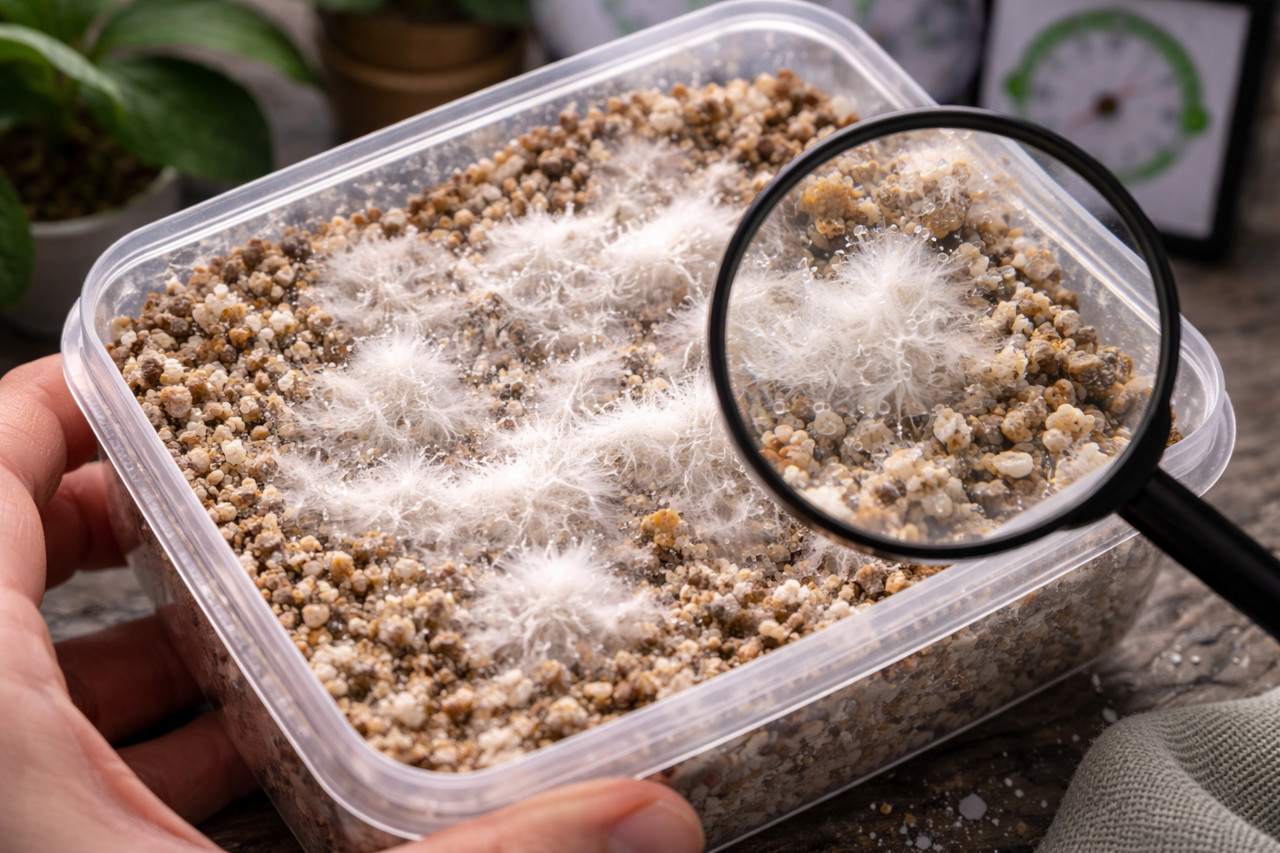
First and foremost, the signs of healthy mycelium in a grow kit are visible. Color is crucial, and this applies to the vast majority of mushrooms available in grow kits. Typically, the thallus is either pure, bright white or slightly creamy. Discoloration may indicate that an undesirable process is starting to occur.
Another issue is structure. It can be rhizomorphic or fluffy. In the former case, the mycelium appears as white threads, indicating its strength, aggressiveness, health, and ability to colonize new “territories.” Fluffy mycelium, on the other hand, as the name suggests, resembles snow-white cotton wool. It generally works well, but is less efficient at producing fruiting bodies. How it spreads is also important. In good conditions, mycelium usually spreads evenly across the substrate, leaving no bald spots. It also colonizes the substrate within 10-21 days (depending on conditions). Eventually, pinheads and primordia appear in healthy grow kits.
Smell is also important. If it’s earthy, fresh, and reminiscent of the forest, then everything is fine. When the odor changes, becomes sour, chemical, or repulsive – something is seriously wrong within the mycelium.
What are the characteristics of healthy Psilocybe cubensis mycelium?
Since you can find Psilocybe cubensis mycelium for microscopic examination at Mykolaborian, it’s worth saying a few words about it as well. Mycelium of this species is usually snow-white and aggressive, colonizes very quickly, and forms distinct, thick hyphae. Other symptoms, which in this case are harmless, may also appear on the mycelium’s surface. These include blue discoloration, appearing where damaged or even touched or splashed with water. This is a normal reaction for Psyllium spp. On the other hand, a yellowish fluid – metabolites – may appear on the mycelium’s surface. If it’s clear and odorless, there’s nothing to worry about. If it becomes cloudy or has an unpleasant odor, it means the fungus is fighting something that threatens it.
What might indicate that the mycelium is suffering from a disease?
What are the symptoms of disease? There are a number of warning signs that require attention. These include changes in:
- color (green or black indicates mold; pink or orange indicates a bacterial or yeast infection),
- texture (the appearance of mucus or jelly indicates the presence of bacteria; fluffy structures are often molds, and pollen is mold spores),
- smell (sour indicates bacterial growth, sweet and bland indicates decomposition, and fermentation indicates yeast growth),
- behavior (sudden cessation of growth, uneven colonization, and wet spots may indicate problems).
How to keep mycelium healthy?
Proper care of mycelium of any species requires, above all, hygiene and sterility when collecting material. In addition, conditions must be carefully monitored, ensuring a stable temperature, moderate humidity, and gentle air exchange. In addition, it’s important to always observe the behavior of the mycelium and respond to any signs of problems. Unfortunately, changes often occur so rapidly that the grow kit cannot be saved and must be thrown away. It’s not worth the risk, as possible contamination with bacteria or mold can also pose a threat to our health.