

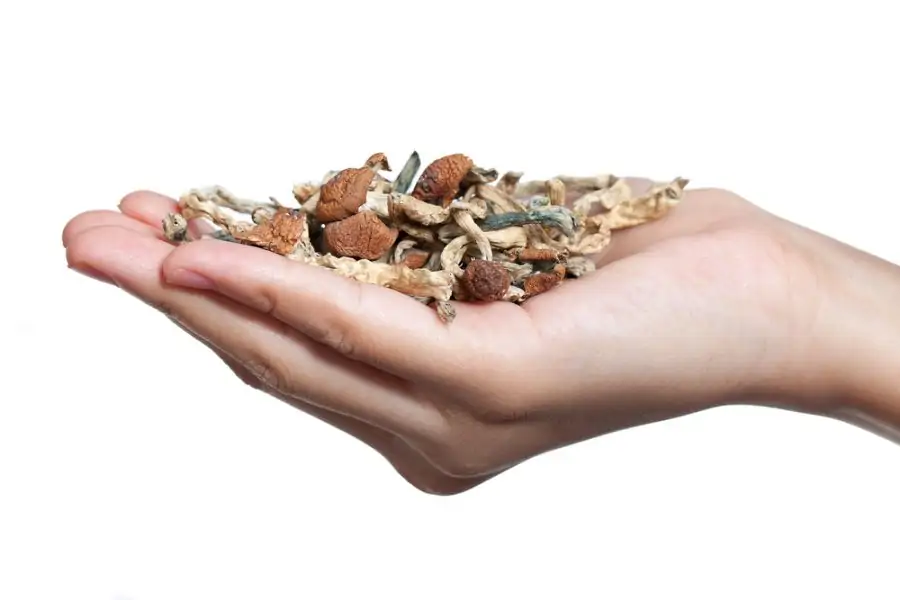

The Effects of Psilocybin on Our Consciousness and Cognitive Functions
Have you ever wondered how psychoactive substances like psilocybin affect our consciousness and cognitive functions? Are their effects exclusively negative, or can they also be beneficial? In this article, we will attempt to answer these questions by analyzing the effects of psilocybin on various aspects of our minds. We will begin by discussing how this substance affects our brains, and then move on to analyze its impact on our perception of reality. Can psilocybin actually alter our consciousness? Does it influence thought processes and creativity? What are its effects on our emotions? Many people are concerned about the potential side effects and risks associated with using psychoactive substances. Therefore, we will take a closer look at these issues to dispel any doubts.
How does psilocybin affect brain function?
Psilocybin, the active ingredient in some mushroom species, is known for its ability to induce profound psychedelic experiences. But how exactly does it affect our brain? Research suggests that psilocybin works by increasing activity in certain areas of the brain that are associated with emotional processing and perception.
- Stimulation of serotonin receptors: Psilocybin works primarily by stimulating serotonin receptors in the brain, leading to increased neural activity.
- Rewiring of neurons: Research has shown that psilocybin may also increase brain plasticity, meaning it may increase the brain’s ability to form new neural connections.
- Effects on the Default Mode Network: Psilocybin also appears to affect the so-called default mode network, an area of the brain that is active when we are at rest and allows us to reflect and introspect.
Psilocybin and the Perception of Reality – How Does It Work?
While psilocybin is often associated with hallucinations, its effects on the perception of reality are much more complex. In fact, research suggests that psilocybin may increase our ability to sense and interpret external stimuli, leading to a deeper and more intense experience of reality. This is possible because psilocybin acts on serotonin receptors in the brain, which are crucial for our perception and interpretation of the world. Here are a few points worth noting:
- Increased capacity to feel emotions: Research suggests that psilocybin may increase our capacity to feel emotions, both positive and negative. This can lead to a deeper understanding of our own feelings, as well as empathy for others.
- Intensification of sensory experiences: Psilocybin may also increase our ability to perceive sensory stimuli such as sounds, colors, and tastes. This can lead to more intense and satisfying sensory experiences.
- Altered sense of time: Many people report that their sense of time is distorted under the influence of psilocybin. Time may seem to slow down or speed up, which can lead to unique and often deeply moving experiences.
In the context of cognitive function, psilocybin may also affect our ability to think and solve problems. Research suggests that psilocybin may increase creativity and openness to new experiences, which can lead to new perspectives and ideas. However, it’s important to remember that these effects are usually temporary and may fade once the effects of the substance wear off. It’s also worth noting that psilocybin can lead to unpleasant experiences such as anxiety and paranoia, especially in larger doses.
Changes in Consciousness Under the Influence of Psilocybin
Scientific experiments have observed that psilocybin leads to profound changes in consciousness. These changes include, above all, an intensification of sensory experiences, changes in the perception of time and space, as well as mystical and spiritual experiences. Many people describe these experiences as among the most important of their lives.
Psilocybin affects various aspects of cognitive function. Research has shown that it can increase creativity, empathy and openness to new experiences. Below is a list of the most important changes that may occur under the influence of psilocybin:
- Increased Creativity – Psilocybin may increase the ability to think creatively and solve problems.
- Altered Perception of Time – Time may seem slower or faster under the influence of psilocybin.
- Mystical Experiences – Some people experience these experiences under the influence of psilocybin. experience profound spiritual experiences.
However, it is worth remembering that psilocybin is a substance with strong psychoactive effects and its consumption can lead to unpredictable effects. Therefore, it should always be approached with appropriate caution and respect.
Psilocybin and its effect on thought processes
Research suggests that psilocybin can significantly influence our thought processes. In particular, it has been noted that this substance may increase the ability to think creatively and open the mind to new perspectives. In this context, it’s worth noting a few key aspects:
- Increased Creativity: Some studies suggest that psilocybin can increase the ability to think creatively, which may have applications in various fields such as art, science, and business.
- Improved Problem-Solving: Psilocybin can also help develop new problem-solving strategies, which can be especially useful in situations requiring innovative approaches.
- Increased Empathy and openness:Psilocybin may increase the capacity for empathy and openness to the experiences of others, which may contribute to a better understanding and acceptance of differences between people.
All of this suggests that psilocybin may have a significant impact on our thought processes, although further research is needed to fully understand its potential and limitations.
How does psilocybin affect creativity and cognitive abilities?
Using psilocybin may induce increased creativity and cognitive abilities, which is This is particularly evident in thought processes involving abstract thinking. Many people report experiencing intense visualizations and profound emotional experiences after consuming psilocybin, which can lead to new perspectives and ideas. However, there is also a risk that psilocybin can lead to uncontrolled and potentially dangerous mental states, such as psychosis or depression.
On the positive side, psilocybin can enhance cognitive abilities such as memory and concentration. Some studies suggest it may also help treat certain mental disorders, such as depression and PTSD. However, long-term use of psilocybin can lead to negative effects, such as impaired perception, memory and concentration problems, and the risk of addiction.
Psilocybin and Emotions – How Does the Substance Affect Our Feelings?
Psilocybin, a naturally occurring psychedelic, has the ability to profoundly influence our emotions. Studies have shown that it can increase our ability to feel empathy, which may have therapeutic applications for people with disorders that affect the ability to feel the emotions of others. Psilocybin may also increase our ability to experience positive emotions, which may be particularly beneficial for people suffering from depression.
However, the effects of psilocybin on emotions are complex and not yet fully understood. Here are some key points that are currently known:
- Psilocybin may increase the ability to feel empathy: Studies have shown that psilocybin can increase our ability to feel the emotions of others, which may have therapeutic applications for people with disorders that affect our ability to feel the emotions of others.
- Psilocybin may increase our ability to feel positive emotions: Studies have shown that psilocybin can increase our ability to feel positive emotions, which may be particularly beneficial for people suffering from depression.
Psilocybin in Therapy – How Does It Affect the Treatment of Mental Disorders?
In a therapeutic context, psilocybin is increasingly being considered as a potential tool in the treatment of various mental disorders. Particularly promising results have been observed in the treatment of treatment-resistant depression, anxiety disorders, and alcohol and tobacco addiction. Psilocybin appears to work by resetting certain brain areas associated with these disorders, allowing patients to reframe their problems and find new ways to cope.
Potential Risks and Side Effects of Psilocybin
When analyzing the effects of psilocybin on our consciousness and cognitive functions, the potential risks and side effects associated with its use cannot be overlooked. Psilocybin, like other psychoactive substances, can lead to unpredictable reactions, including changes in perception, thinking, and mood. This can lead to dangerous situations if a person under the influence of psilocybin engages in risky decisions or behaviors.
The most commonly reported side effects of psilocybin use include perceptual disturbances, hallucinations, anxiety, and paranoia. In extreme cases, a so-called bad trip can occur, a very negative experience associated with taking psychoactive substances that can lead to long-term mental health problems.
It is worth emphasizing that the risk of side effects depends on many factors, including the dose, individual sensitivity to psilocybin, and the context in which the substance is taken. Therefore, despite the potential benefits associated with psilocybin’s effects on cognitive function, further research into this substance and its effects on the human body is necessary.
Frequently Asked Questions
Is psilocybin legal?
In most countries, psilocybin is a controlled substance and its possession, sale, or use is illegal. However, in some places, such as some US states, its medical use is permitted.
Is psilocybin safe?
Psilocybin is generally considered a substance with a low risk of addiction. However, its use is associated with certain risks, such as the possibility of unpleasant psychedelic experiences known as bad trips. Always exercise caution when using psychoactive substances.
Can psilocybin help treat depression?
Yes, there is research suggesting that psilocybin may be effective in treating depression, especially when traditional treatments fail. However, further research is needed to confirm these results and understand how to best use this substance in therapy.
Can psilocybin cause hallucinations?
Yes, psilocybin is a psychedelic substance that can induce intense sensory experiences, including hallucinations. These experiences can include an altered perception of time, space, and even the senses.
How long does a psilocybin experience last?
A psilocybin experience typically lasts 4 to 6 hours, although some effects can last longer. Duration can depend on many factors, such as dose, individual tolerance, and the context in which the substance is used.