

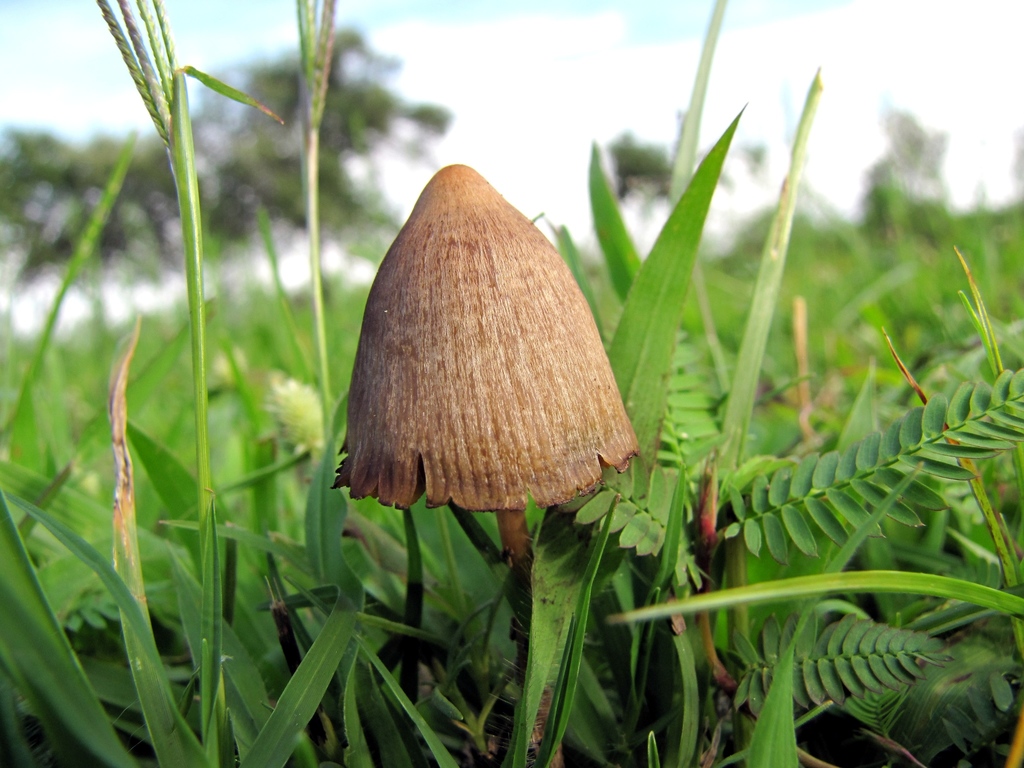

In the natural world, there are many fascinating and unusual species that deserve our attention. One of these are exotic species of psilocybin mushrooms, which have fascinated scientists, doctors, and nature lovers for centuries. In this article, we will take a closer look at these extraordinary organisms, which are not only beautiful but also full of mystery. One day, a young scientist, while traveling in South America, stumbled upon an unusual species of mushrooms. They were intriguing not only for their exotic appearance but also for their unique properties. Upon returning home, he began studying these mushrooms, discovering that they contained psilocybin—a substance with the potential to treat many mental illnesses. This story is just one of many examples that demonstrate how exotic species of psilocybin mushrooms can surprise us with their diversity and potential. In this article, we will examine various exotic species of psilocybin mushrooms popular around the world. We will also discuss their medicinal uses, as well as the potential risks and side effects that may result from their consumption.
The Variety of Exotic Psilocybin Mushrooms
Psilocybin mushrooms, also known as magic mushrooms, are incredibly diverse and fascinating. Exotic species such as Psilocybe azurescens, Psilocybe mexicana, and Psilocybe cubensis are particularly interesting due to their unique properties and effects. These species are known to produce psilocybin, a psychoactive compound that is the main component responsible for the mushrooms’ hallucinogenic effects. Psilocybe azurescens, also known as the Flying Saucer, is one of the most powerful psilocybin mushrooms in the world, while Psilocybe mexicana is a species that was used in religious rituals by ancient Mexican cultures. Psilocybe cubensis, in turn, is one of the most popular and widely available species of psilocybin mushrooms. In conclusion, the diversity of exotic psilocybin mushrooms is not only fascinating but also of great scientific and medical importance due to their potential therapeutic applications.
Most Popular Exotic Psilocybin Mushroom Species
Traveling through the world of psilocybin mushrooms, we encounter many exotic species that deserve special attention. One example is Psilocybe azurescens, a species with extremely potent effects that naturally occurs on the coast of the North Pacific. Psilocybe cubensis, on the other hand, is a species that has gained popularity due to its ease of cultivation and wide distribution, particularly in tropical regions of the world.
It’s worth emphasizing that the differences between psilocybin mushroom species are not just a matter of potency or ease of cultivation. Each has its own unique history, traditions of use, and specific properties that make it unique.
Medical Uses of Exotic Psilocybin Mushrooms
Scientific research is increasingly pointing to the potential health benefits of using psilocybin mushrooms in medicine. Of particular interest is research into the potential use of psilocybin in treating mental disorders such as depression, anxiety, and PTSD. Psilocybin, the main active ingredient in these mushrooms, has been shown to have the ability to reset the brain, which may provide relief to those suffering from these conditions.
However, proper dosage and control over the process are crucial. Therefore, before deciding to use psilocybin mushrooms in medicine, it is worth considering a few key issues:
- Safety: Psilocybin is a substance with a strong psychological effect, so its use should be under the supervision of specialists.
- Legality: In many countries, the possession and use of psilocybin mushrooms is illegal. Always check local regulations.
- Health Conditions: Some people may be particularly sensitive to the effects of psilocybin, so a thorough health assessment should be conducted before use.
How to Grow Exotic Species of Psilocybin Mushrooms?
Growing exotic species of psilocybin mushrooms is a process that requires precision and patience. The growing environment must be carefully controlled to ensure optimal conditions for the mushrooms to grow. This includes regulating temperature, humidity, and light. The medium in which the mushrooms grow must be rich in nutrients, such as brown rice, compost, or manure. It’s worth noting that some species of psilocybin mushrooms, such as Psilocybe azurescens and Psilocybe cyanescens, prefer specific types of medium, which should be taken into account when cultivating them.
Sterility is a key element in the psilocybin mushroom cultivation process. Any tool, surface, or medium that comes into contact with the mushrooms must be thoroughly cleaned to prevent contamination by bacteria or mold. When collecting spores, which are essential for starting a cultivation, special care should be taken to avoid contaminating them. Regular monitoring of the crop will allow for early detection of any problems and ensure optimal conditions for the mushrooms to thrive. Please note that the cultivation of psilocybin mushrooms is illegal in many countries, so always check local regulations.
Potential Risks and Side Effects of Consuming Psilocybin Mushrooms
Although psilocybin mushrooms are known for their potential benefits, there are also some potential risks and side effects that can occur after consumption. Some of these side effects can include hallucinations, perception changes, euphoria, as well as anxiety and paranoia. In some cases, people who consume psilocybin mushrooms may experience a so-called “psychotic effect.” A bad trip, which is usually associated with intense negative experiences.
It is worth noting that consuming psilocybin mushrooms can lead to the following side effects:
- Hallucinations – Visual, auditory, or tactile changes in perception that can be unpleasant and disorienting.
- Mood changes – This can include euphoria, depression, anxiety, and paranoia.
- Bad trip – Intense negative experiences that may include fear, panic, and disorientation.
In summary, while psilocybin mushrooms may have potential benefits, it is important to be aware of the potential risks and side effects associated with their consumption.
Interesting Facts About Exotic Psilocybin Mushrooms
Psilocybin mushrooms are incredibly fascinating and diverse. They are found in many exotic locations around the world, and their unique properties and effects are the subject of scientific research. Psilocybin, the active ingredient in these mushrooms, is known for its hallucinogenic effects and is also being studied for its potential therapeutic benefits. For example, some studies suggest it may help treat depression and other mental disorders. However, there are also certain risks associated with using psilocybin mushrooms, such as the possibility of experiencing unpleasant hallucinations or psychotic reactions.
Among the most exotic species of psilocybin mushrooms are Panaeolus cyanescens, also known as Blue Meanies, which is known for its strong potency and blue coloration when damaged. Another interesting species is Psilocybe azurescens, which is considered one of the most powerful psilocybin mushrooms and is found primarily on the Pacific coast of the U.S. Although these mushrooms are fascinating, their cultivation and use are illegal in many places, which poses a significant problem. Therefore, always remember to follow local regulations and approach the topic with appropriate caution.
Frequently Asked Questions
Are psilocybin mushrooms safe to consume?
Psilocybin mushrooms are generally considered safe, but they can cause side effects such as hallucinations, perception changes, and mood changes. Always exercise caution when consuming psychoactive substances.
Can psilocybin mushrooms be found naturally in Poland?
Yes, some species of psilocybin mushrooms can be found naturally in Poland, but collecting and possessing them is illegal.
Can psilocybin mushrooms be used to treat mental disorders?
Studies suggest that psilocybin, the active ingredient in psilocybin mushrooms, may be effective in treating certain mental disorders, such as depression and PTSD. However, more research is needed in this area.
Are psilocybin mushrooms addictive?
Psilocybin mushrooms are not considered addictive, but regular consumption can lead to tolerance, meaning a larger dose is needed to achieve the same effect.