


Correct Identification of Psilocybin Mushrooms
Have you ever wondered how to recognize psilocybin mushrooms? Are you curious about which species of these mushrooms can be found in Poland? Or perhaps you are a beginner mushroom picker looking for practical tips and advice on identifying and observing these specific mushrooms? If so, this article is for you. In this text, we will introduce you to psilocybin mushrooms, which are becoming increasingly popular not only among nature lovers but also in the context of medicine and psychotherapy. We will take a closer look at their characteristic features to help you recognize them. We will also discuss the most popular species of these mushrooms found in Poland. In addition, we will tell you what to pay special attention to to avoid mistakes and potential dangers associated with incorrect identification of psilocybin mushrooms.
How to recognize psilocybin mushrooms: key features
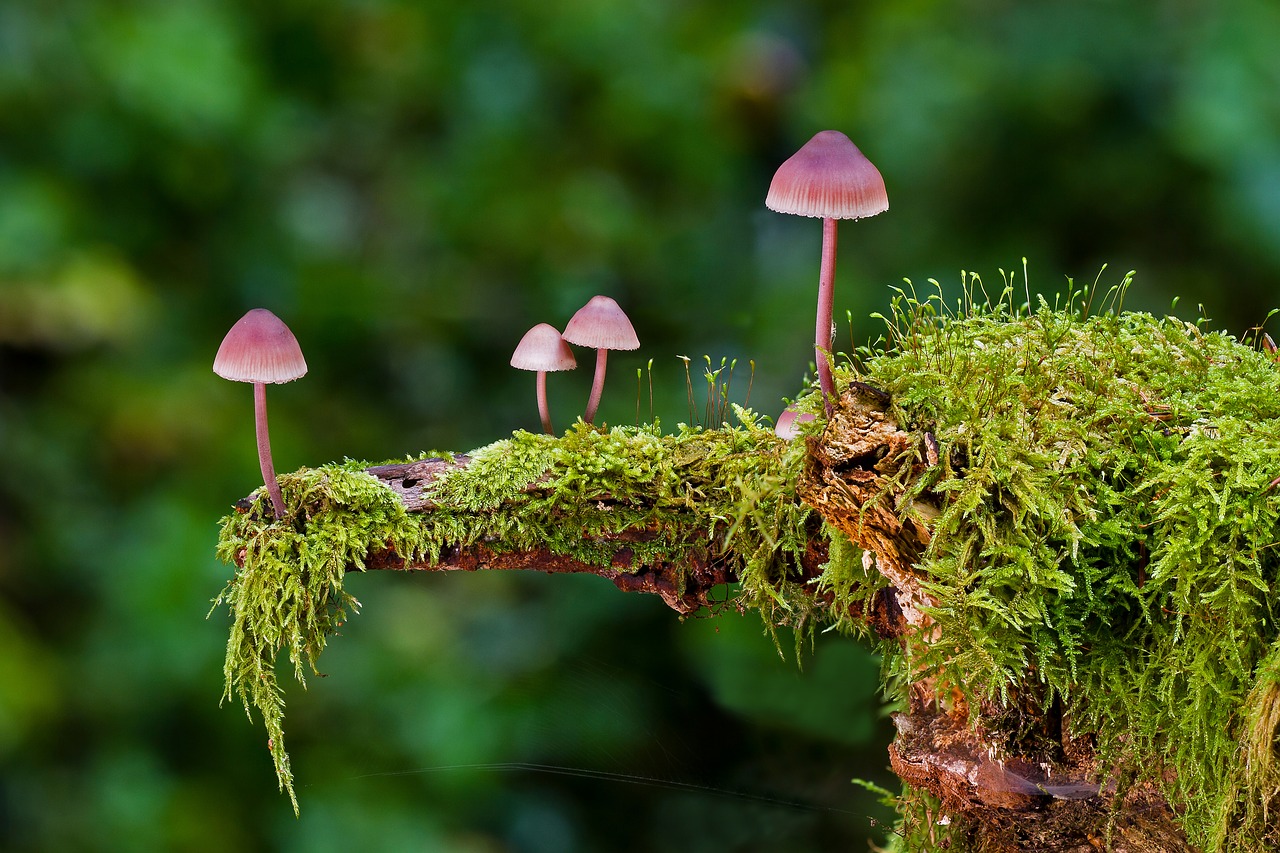
Psilocybin mushrooms, also known as magic mushrooms, are easy to identify thanks to several characteristic features.The color of the cap is one of the most obvious clues; it is usually brown or white, but can also be shades of gray.The shape and structure of the cap is another important aspect – psilocybin mushrooms usually have conical or bell-shaped, and their surface is smooth or slightly wrinkled.
The gills of these mushrooms are typically dark brown to black, and their edges may be white or light brown. The stem is typically white or light brown, usually thin and long, often with a visible ring. Many species of psilocybin mushrooms exhibit a damage response, turning blue or green when pressed or cut. This is caused by the oxidation of psilocybin. Remember that mushroom identification requires practice and knowledge, so always use reliable sources and consult with experts.
The most popular species of psilocybin mushrooms in Poland
In Poland, psilocybin mushrooms are represented by several species, which differ in both appearance and psilocybin content. The most popular include: Panaeolus cyanescens, Psilocybe semilanceata, and Psilocybe cubensis. Panaeolus cyanescens, also known as the blue dung mushroom, is a species with strong hallucinogenic effects. Psilocybe semilanceata, also known as parasol mushroom, is the most common psilocybin mushroom in Poland. Psilocybe cubensis, or kubensis, is a species with moderate hallucinogenic effects but is easy to cultivate, which contributes to its popularity.
Comparing these three species, Panaeolus cyanescens contains the most psilocybin, and therefore its effects are the most potent. Psilocybe semilanceata has a moderate psilocybin content, but due to its commonness, it is the most commonly used psilocybin mushroom in Poland. Psilocybe cubensis has the lowest psilocybin content but is easy to cultivate, making it a popular choice for those who want to grow these mushrooms themselves. It’s worth remembering that mutations and albino strains contain significantly more psilocybin than naturally occurring fruiting bodies.
Tips for Beginners in Identifying Psilocybin Mushrooms
Before we begin, it’s worth noting that identifying psilocybin mushrooms requires not only knowledge but also experience. Whether you’re a beginner or an experienced mushroom picker, you should always follow a few basic rules. First, never pick mushrooms you’re not completely familiar with. Second, always use reliable sources of information, such as books or websites dedicated to mushrooms. Third, remember that some species of psilocybin mushrooms are protected and prohibited for picking.
We’ve prepared a short checklist for you to help you identify psilocybin mushrooms. First, pay attention to the shape of the cap—psilocybin mushrooms typically have bell-shaped or conical caps. Second, check the color of the spores—it should be dark, ranging from brown to black. Third, pay attention to whether the mushroom has a ring on the stem—most psilocybin mushrooms do not. Fourth, check if the mushroom turns blue when damaged—this is one of the telltale signs of psilocybin mushrooms.
Finally, it’s worth emphasizing that safety should always come first. Remember that consuming the wrong mushroom can lead to serious health consequences and even death. Therefore, whenever you have doubts about the mushroom you’ve identified, it’s best not to consume it. Furthermore, remember that possession of psilocybin mushrooms is illegal in many countries, so always check local laws.
Potential Risks and Mistakes in Identifying Psilocybin Mushrooms
Identifying psilocybin mushrooms carries certain risks that can lead to serious health consequences. The most important is the possibility of confusing psilocybin mushrooms with other, potentially toxic species. Such a mistake can lead to serious poisoning and even death. Additionally, incorrect dosing of psilocybin mushrooms can lead to uncontrolled and unpredictable psychoactive effects. Safety should always be your top priority, so it’s crucial to have the appropriate knowledge and experience in identifying these mushrooms. Therefore, errors in identifying psilocybin mushrooms can lead to serious risks, so this process should always be approached with due caution and respect for the potency of these substances.
Practical Tips for Psilocybin Mushrooms
Observing and analyzing psilocybin mushrooms requires specialized knowledge and caution. Always remember that some mushroom species are very similar to those containing psilocybin but are poisonous. That’s why it’s always a good idea to use professional mushroom identification guides or apps. Furthermore, always wear gloves when picking mushrooms to avoid accidental ingestion.
It’s important not to damage the natural environment. Always pick mushrooms responsibly, without damaging their natural habitat. Remember that psilocybin mushrooms are part of the ecosystem and have their place in nature. Therefore, mushrooms should always be treated with respect for nature and in accordance with local regulations.
Uses of psilocybin mushrooms in medicine and psychotherapy
Scientific research is increasingly pointing to the potential benefits of using psilocybin mushrooms in medicine and psychotherapy. Psilocybin, the main active ingredient in these mushrooms, is currently being studied as a potential treatment for a number of mental disorders.
- Clinical studies suggest that psilocybin may be effective in treating treatment-resistant depression and may even provide relief for patients with anxiety disorders and post-traumatic stress disorder.
- Many studies also indicate the potential use of psilocybin in treating addictions such as alcoholism and nicotine addiction.
- Research also indicate that psilocybin may help reduce anxiety and depression in patients with advanced cancer.
Despite promising results, further research is needed to fully understand the potential uses and risks of psilocybin mushrooms in medicine and psychotherapy.
Frequently Asked Questions
Are psilocybin mushrooms safe?
As with other psychoactive substances, the safety of psilocybin mushrooms depends on many factors, such as the dose, the user’s health, their experience, and the context of use. If used inappropriately, negative effects such as hallucinations, anxiety, paranoia, and physical discomfort may occur.
Can psilocybin mushrooms be used for medical purposes?
Scientific studies suggest that psilocybin, the main active ingredient in psilocybin mushrooms, may have potential use in treating certain mental disorders, such as depression, anxiety disorders, and PTSD. However, due to current legal restrictions, the use of psilocybin mushrooms for medical purposes is illegal in Poland.
What are the most common errors in identifying psilocybin mushrooms?
The most common error is confusing psilocybin mushrooms with other, non-psychoactive or even poisonous species. Therefore, it is always recommended to consult an experienced mycologist for identification.
Are there any practical tips for collecting psilocybin mushrooms?
When handling psilocybin mushrooms, it is important to know the characteristic features of a given species, such as shape, color, size, and locality. Furthermore, it is always recommended to wear gloves when collecting mushrooms to avoid potential contamination.