

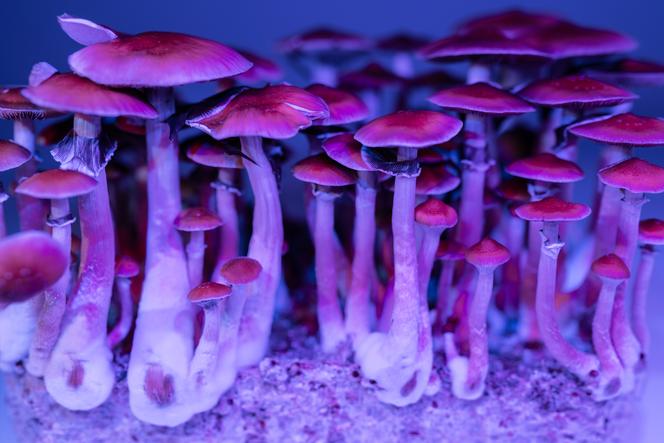

Have you ever considered alternative treatments for mental disorders or addictions? Have you heard of the use of psilocybin, a natural chemical compound, in medicine? If not, this article is for you. Modern medicine is constantly searching for new, effective treatments, and psilocybin, a substance derived from certain species of mushrooms, is gaining increasing recognition among scientists. In this article, we will take a closer look at this phenomenon and discuss how psilocybin can help combat various mental disorders and addictions. We will also present the latest clinical studies on its use, as well as the associated risks and potential side effects. We will highlight the holistic approach to medicine, which increasingly includes substances like psilocybin, and discuss contraindications to its use. Finally, we will look to the future, trying to predict how psilocybin’s role in medicine might evolve according to experts in the field. By reading this article, you will gain practical knowledge about how psilocybin can be used in medicine and understand why this topic is so important and timely. We invite you to read on!
Use of psilocybin in the treatment of mental disorders
Scientific research is increasingly pointing to the potential benefits of psilocybin in the treatment of various mental disorders. This substance, found in some species of hallucinogenic mushrooms, has been shown to alter brain structure and function, which may provide relief for people suffering from conditions such as depression, obsessive-compulsive disorder, and post-traumatic stress disorder. Psilocybin works by stimulating serotonin receptors in the brain, leading to profound changes in perception and mood. Many studies indicate that therapy using this substance can produce lasting benefits, even after a single use. In summary, psilocybin is a promising tool in the treatment of mental disorders, but further research is needed to fully understand its potential and limitations.
Psilocybin in Addiction Therapy – How Does It Work?
Psilocybin-based therapy is an innovative approach to addiction treatment that is gaining increasing recognition in the medical community. The mechanism of action of this substance involves its influence on the nervous system, leading to profound psychedelic experiences. These experiences can help patients understand and reevaluate their habits and behaviors related to addiction. Psilocybin stimulates serotonin receptors in the brain, which can lead to a shift in the patient’s perspective and attitudes. Many studies suggest that psilocybin-based therapy can be effective in treating various types of addiction, including alcohol, tobacco, and drug addiction. In summary, psilocybin has the potential to revolutionize the way we perceive and treat addiction, although further research is needed to fully understand its potential and limitations.
Clinical Studies on the Use of Psilocybin
In the context of clinical trials, psilocybin is increasingly being considered as a potential therapeutic tool. Psilocybin, the active ingredient in some species of hallucinogenic mushrooms, is currently being studied for its potential role in treating a range of mental health conditions, including depression, anxiety disorders, and addiction. Many studies suggest that psilocybin can have a significant impact on improving the quality of life of patients, especially those who do not respond to traditional treatments. However, despite promising results, clinical research on psilocybin is still in its early stages and requires further study to fully understand its potential benefits and risks.
Psilocybin and Holistic Medicine – New Perspectives
The use of psilocybin in holistic medicine opens up fascinating new perspectives. This natural substance, derived from hallucinogenic mushrooms, is increasingly being considered as a potential treatment for various conditions, including depression, anxiety, and addiction. Holistic medicine, which focuses on a holistic approach to health, sees psilocybin as a potential support for the body’s self-healing processes. Clinical studies confirm its effectiveness in reducing symptoms of depression and improving the quality of life of patients with serious illnesses. It’s worth emphasizing that psilocybin is not a universal remedy and its use requires appropriate medical supervision. In summary, psilocybin in holistic medicine is a promising avenue that could bring many benefits to patients, but requires further research and regulatory approval.
Possible Side Effects and Risks of Psilocybin
While psilocybin is increasingly being considered as a potential therapeutic tool, it is important to understand the possible side effects and risks associated with its use. The most common side effects include sensory changes such as hallucinations, perceptual distortions, and intense emotional experiences. In some cases, anxiety and paranoia may also occur.
Other possible side effects that may occur while taking psilocybin include:
- dizziness,
- increased blood pressure,
- accelerated heart rate,
- Gastrointestinal disorders
- Sleep disorders
- Concentration problems
It is also important to understand that psilocybin can interact with other drugs or substances, which can increase the risk of serious side effects. Furthermore, people with a history of mental disorders, such as schizophrenia or bipolar disorder, may be at greater risk of negative effects from psilocybin use. Therefore, it is always recommended to consult a physician before beginning therapy based on this substance.
Contraindications to the Medical Use of Psilocybin
Although psilocybin is increasingly being considered as a potential therapeutic tool, there are some contraindications to its use. People with a history of mental disorders such as schizophrenia or bipolar disorder should exercise particular caution. Psilocybin can induce intense emotional and psychedelic experiences that may be difficult for people with existing mental health issues to process.
Similarly, psilocybin is not recommended for people with heart conditions. This substance can cause short-term changes in blood pressure and heart rate, which may be dangerous for people with existing heart problems. Furthermore, psilocybin is not recommended in combination with certain medications, including some antidepressants and anti-anxiety medications, due to potential interactions.
Finally, it’s important to remember that psilocybin is a powerful psychedelic substance and experiences can be intense and unpredictable. Therefore, it is not recommended for people who are unprepared for such experiences or who lack adequate emotional support. Despite the potential benefits that psilocybin may offer in treating certain disorders, there are certain risks and contraindications that must be considered.
The Future of Psilocybin in Medicine – What Do Experts Say?
The exciting possibilities psilocybin offers in medicine are increasingly being recognized by experts. Many predict that this substance will play a key role in the future of medicine, particularly in areas such as psychiatry and neurology. Psilocybin, a naturally occurring psychedelic, is currently being studied for its potential effectiveness in treating a range of mental health conditions, including depression, obsessive-compulsive disorder, alcohol and nicotine addiction, and anxiety disorders.
The future of psilocybin in medicine appears promising, but experts emphasize that further research is needed. Many believe psilocybin has the potential to revolutionize how we treat some of the most common and devastating mental health conditions. However, to achieve this, further understanding of psilocybin’s mechanisms of action and the development of safe and effective protocols for its use in medical settings are necessary.
Frequently Asked Questions
How long does psilocybin therapy last?
The duration of psilocybin therapy depends on the individual patient’s situation, including the type and severity of the condition. Some therapies may last several weeks, while others may last several months. It’s important to consult with a doctor, who can tailor a treatment plan to your individual needs.
Is psilocybin safe for all patients?
Psilocybin is not suitable for all patients. People with certain mental health conditions, such as schizophrenia, may experience negative side effects. Furthermore, psilocybin can interact with certain medications, potentially leading to dangerous side effects. Always consult your doctor before starting psilocybin therapy.
Can psilocybin be used in combination with other medications?
Psilocybin may interact with certain medications, potentially leading to dangerous side effects. You should always consult your doctor before starting psilocybin therapy, especially if you are taking other medications.
Is there research supporting the effectiveness of psilocybin in treating mental disorders?
Yes, there are numerous scientific studies supporting the effectiveness of psilocybin in treating various mental disorders, such as depression, obsessive-compulsive disorder, and addiction. However, like any therapy, it is not effective for all patients and may carry certain risks.