


Psychedelics. These substances were once considered “cursed,” due to their popularity among hippie circles, among others. This was a turbulent time in the world – the Cold War, Vietnam, and other conflicts – large and small. The flower children, by no means, wanted to fight, proclaiming pacifist ideas, often additionally entering a higher state of consciousness thanks to the aforementioned substances, including psilocybin, discussed in this article. It should also be noted that these compounds have been the subject of numerous studies by scientists, including doctors seeking effective therapy for many ailments. Today, there is renewed talk that this alkaloid could be used as a medication for conditions such as bipolar disorder. What are the prospects for implementing it as a therapeutic agent? Is it actually effective? I encourage you to read this article!
Sources of Psilocybin
What is psilocybin? Mushrooms produce various compounds. Some are serious toxins, capable of killing an entire family by consuming just one fruiting body. Others have a number of other properties, including psychedelic effects.
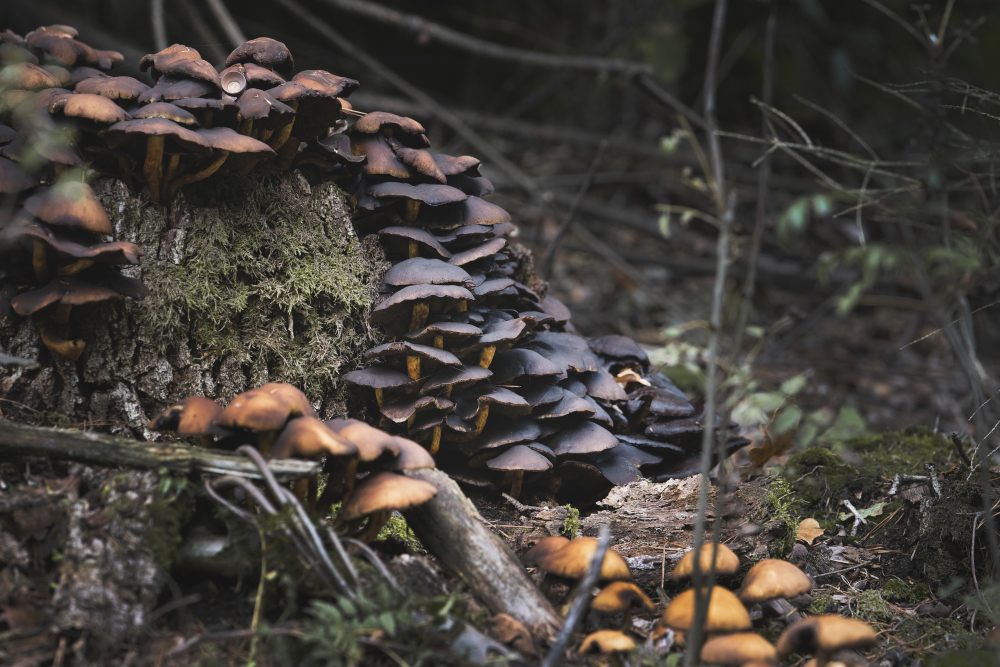
Psilocybin is an alkaloid that influences the perception of reality. This psychoactive substance occurs in various mushrooms, species of which are referred to as psilocybin (it’s worth noting that these don’t necessarily belong to the psilocybe group).
One of the most popular mushrooms that produces it is the Cuban Psilocybe (cubensis). Mycologists produce various varieties, characterized not only by their distinct appearance but also by varying levels of this compound. It’s worth noting that species producing it can also be found in Poland. The most widely recognized is Psilocybe semilanceata, or Psilocybe semilanceata.
What does research say about psilocybin and its effects on the brain?
It’s not without reason that these species are called “magic mushrooms.” How does psilocybin affect the brain? Much depends on the dose, but when taken recreationally, it primarily affects the user’s perception of reality, cognitive processes, and mood. In other words, psilocybin can cause hallucinations and auditory hallucinations. A person who decides to take it sees and hears things that don’t exist. But let’s look at the details.
Do you know what receptors psilocybin affects? This alkaloid affects serotonin receptors, which results from its structural similarity to this neurotransmitter. This is how it induces hallucinations and influences mood. It primarily affects the neocortex, responsible for cognitive abilities and memory. This same area influences how the brain interprets the reality it receives. Psilocybin also accumulates in the thalamus, responsible for integrating stimuli from the environment, as well as in the hippocampus – the emotional center of this organ.
It’s worth adding that studies on mice and humans indicate that taking psilocybin may result in an increase in the number of connections in the brain, specifically in the frontal cortex. This area is responsible for planning and thinking, among other things, but it is also where the so-called reward system is located. For this reason, this alkaloid is increasingly being seen as a way to combat various mental ailments.
What is bipolar disorder?
By now, you’ve learned quite a bit about psilocybin and its effects. It’s time to learn more about the condition in which I’m discussing this compound today. So what is bipolar disorder? It’s a disorder (or rather, a set of disorders) characterized by rapid swings in extreme moods. A person suffering from it experiences episodes of depression, mania, hypomania, or so-called mixed episodes. Bipolar disorder is characterized by periods of remission, when the disease produces no symptoms or mild ones.
It most often affects young people. This condition severely limits social and family functioning, can make it difficult to find a job, and can also impact the patient’s economic well-being.
Bipolar disorder is divided into different types, with varying degrees of severity and frequency. Sometimes episodes occur once every few years, but in some people, they can even fluctuate within a single day. For this reason, it is a difficult disease to treat and requires close cooperation with a therapist and physician.
The Effect of Psilocybin on the Course of Bipolar Disorder
This demanding therapy requires specialized solutions, and doctors and scientists are increasingly pointing out that psilocybin may be an effective way to cope not only with bipolar disorder, but also with depression, addiction, and anxiety, among other conditions. A drug prepared from it was tested by JAMA Network Open on a group of 15 people aged 18 to 65, suffering from bipolar II disorder, i.e., frequent depressive episodes interrupted by fewer (sometimes one-off) episodes of hypomania.
Patients – after discontinuing antidepressants and mood stabilizers, and after undergoing a special therapy session, were tested for psilocybin intake for 12 weeks. The study began with 25 milligrams of the synthetic alkaloid. The subjects were then confined to a safe environment for approximately 9 hours, and over the course of the 3-month study, they met with therapists three more times.
The effect? Based on the Montgomery-Asberg scale, symptoms were reduced by over 75%! Subjects also reported that their symptoms became less bothersome and their quality of life improved. Among the most serious side effects of taking the substance was headache, although only a small number of test participants experienced this.
This study clearly confirms that psilocybin may offer a way to combat various ailments, including bipolar disorder, which—when treating this disorder is difficult—gives great hope to those struggling with it. However, it should be noted that the tests were conducted in safe, controlled conditions.
Psilocybin – a psychedelic under scrutiny
Despite the increasing number of tests on psilocybin and psychedelics in general, these substances remain banned. For over half a century, psilocybin has been considered a serious drug with a high potential for addiction. At the same time, this same substance is considered a potential treatment for addiction. Nevertheless, scientists are constantly conducting research among patients, recognizing the potential of this alkaloid, and above all, the increasingly promising prospects for those struggling with trauma, depression, and bipolar disorder.
Decriminalization – the first step in expanding access to psilocybin
For these reasons, movements are becoming increasingly frequent not only among specialists but also among grassroots individuals seeking freer access to psychedelics for medical reasons. These movements are active in the United States, for example. Some states have decriminalized (i.e., deemed the act not a crime) the cultivation of organisms producing psychedelic compounds (including peyote) in gardens. In Australia, however, medical psilocybin has been fully legalized. It seems that the prospect of using this compound as a medicine is getting closer, although it undoubtedly still requires intensive efforts from scientists and activists.