

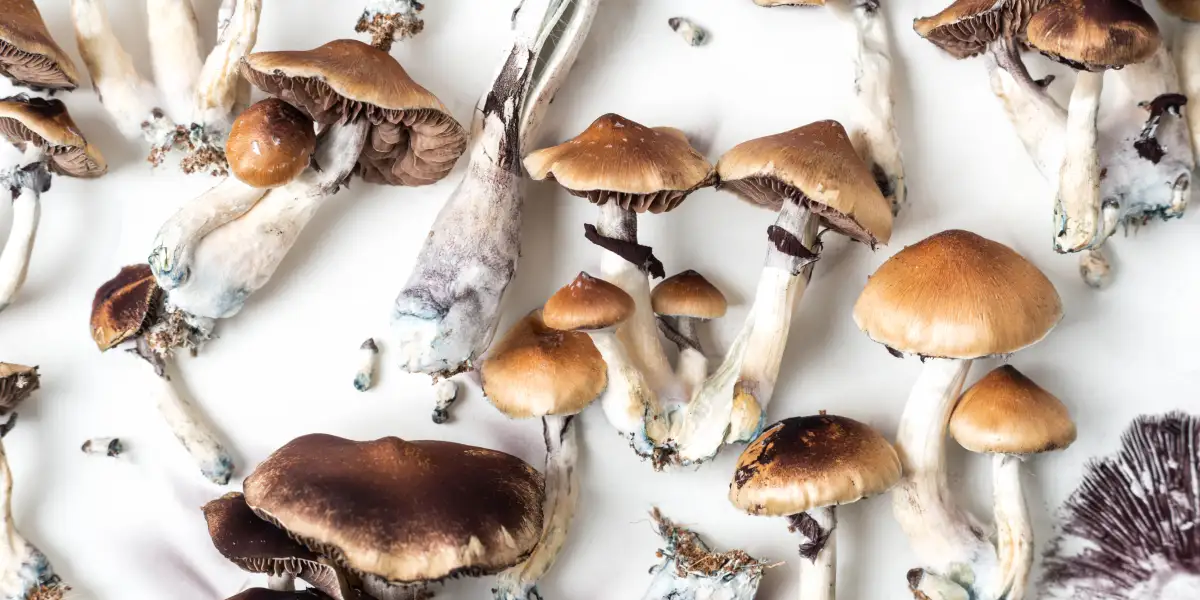

Psilocybin Treatment in Poland
Psilocybin, a natural component of certain mushrooms, is increasingly knocking on the door of modern medicine, offering new perspectives in the treatment of ailments such as depression and anxiety. In Poland, a country rich in history and tradition, where innovation intertwines with heritage, psilocybin is beginning to be viewed not only as a psychedelic substance, but as a potential key to a deeper understanding and healing of the mind. When considering whether psilocybin treatment is legal in Poland and the health benefits that psilocybin therapy can bring, one cannot ignore current research and the growing interest among Polish scientists and therapists. The procedures for accessing this therapy, the potential risks, and comparisons with traditional treatment methods are key elements that everyone interested should understand.
Legal Status of Psilocybin in Poland
It is important to note that psilocybin is banned in Poland, as in many other countries. Therefore, no one can cultivate, possess, or distribute psilocybin mushrooms. Such conduct carries penalties under the Penal Code. It’s worth emphasizing that this isn’t a matter of regulated access to this substance, but of a de facto ban on its use, even in treatment provided by medical facilities.
Only licensed centers have the right to cultivate and observe these mushrooms. They can obtain psilocybin mushrooms and the psilocybin they contain. A positive sign is the growing number of centers in Poland interested in psychedelics, including this compound. Among them, we can mention such personalities as:
- Krystyna Gołembiowska, professor at the Polish Academy of Sciences at the Institute of Pharmacology in Krakow,
- Marek Balicki, psychiatrist and Minister of Health in the SLD government from 2004-2005,
- Justyna Holka-Pokorska, MD, PhD, FECSM, specialist in psychiatry and sexology,
- Andrzej Pilc, professor at the Department of Neurobiology, Jerzy Maj Institute of Pharmacology, Polish Academy of Sciences.
Scientists are focusing on the effects of various substances, primarily ketamine and psilocybin, which is the subject of research by the aforementioned Professor Krystyna Gołembiowska. Importantly, the topic of psychedelic substances is being addressed interdisciplinarily, including by lawyers.
Health Benefits of Psilocybin in Therapy
The use of psilocybin in therapy offers a number of health benefits that are increasingly being recognized by the medical community. Improving the mental state of patients suffering from various disorders, such as depression or obsessive-compulsive disorder, is one of the most promising benefits of this substance. Studies have shown that psilocybin can contribute to a lasting change in patients’ perception of the world, which is crucial in the healing process.
Health benefits of using psilocybin in therapy also include:
- Reduced anxiety and stress, especially in people diagnosed with cancer,
- Improved quality of life and increased happiness,
- Possibility Breaking down mental and emotional barriers that hinder daily functioning.
These effects can be particularly valuable for people who don’t respond to traditional treatment methods.
It’s also worth noting that psilocybin, when used in a controlled therapeutic setting, has a minimal risk of addiction. This makes it a safe alternative for people seeking effective support in the fight against mental illness. Furthermore, research indicates a positive effect of psilocybin on brain neuroplasticity, which may have long-term benefits for patients’ mental health. In Poland, although psilocybin treatment is still in the early stages of development, growing interest and positive research results may contribute to greater access to this form of therapy in the future.
Current Psilocybin Research in Poland
In Poland, research on psilocybin is gaining momentum, following the global trend of recognizing its potential therapeutic benefits. Scientists are focusing on understanding how this substance can support the treatment of various mental disorders. Of particular interest are studies on:
- treatment-resistant depression – where traditional treatments do not produce the expected results,
- obsessive-compulsive disorder (OCD) – examining the effectiveness of psilocybin in reducing symptoms,
- addictions – including alcoholism and nicotine addiction, where psilocybin may play a key role in the treatment process.
Scientific institutions in Poland, such as the Jagiellonian University in Krakow and the Medical University of Warsaw, are conducting pioneering work in this field. Thanks to collaboration with international research centers, Polish scientists have access to the latest methodologies and technologies, significantly accelerating research progress. It is crucial that this research is conducted in accordance with strict ethical and scientific standards, guaranteeing the credibility and safety of potential psilocybin-based therapies.
Procedure for Obtaining Access to Psilocybin Therapy
Obtaining access to psilocybin therapy in Poland requires meeting specific criteria and completing several stages. First, a referral from a psychiatrist is necessary, confirming that standard treatment methods have not yielded the desired results. Next, the patient must be considered for participation in a research program, as psilocybin is not yet registered as a drug in Poland. To do so, specific inclusion criteria must be met. Here are the steps you need to take to access therapy:
- Finding a research center or clinic that is conducting research on the use of psilocybin in therapy.
- Obtaining a referral from a psychiatrist.
- Completing the application process, which may include a detailed health assessment, interviews, and psychological testing.
- Consent to participate in the study and familiarize yourself with the potential risks and benefits of therapy.
- Regular participation in therapy sessions and follow-up visits, which are necessary to monitor the progress and safety of the therapy.
Emphasizing the importance of carefully following the procedures is crucial to ensuring the effectiveness and safety of psilocybin therapy.
Comparison of psilocybin with traditional treatments for depression and anxiety
Traditional treatments for depression and anxiety, such as pharmacotherapy and psychotherapy, have been the mainstay of approaches to these disorders for years. However, the growing interest in alternative treatments, such as psilocybin therapy, is opening new perspectives for patients who do not benefit from conventional methods. Psilocybin, a psychoactive substance found in certain mushroom species, has shown promising results in the treatment of depression and anxiety, often with a faster onset of action and longer remission periods compared to traditional antidepressants.
In terms of effectiveness, clinical studies have shown that psilocybin therapy can significantly improve the well-being of patients with depression and anxiety disorders. Compared to traditional methods, psilocybin often leads to deeper introspection and changes in the perception of problems, which can be crucial for patients with difficulties in coping with emotions. Below are the key differences between psilocybin and traditional treatments:
- Short-term effectiveness – Psilocybin can provide symptom relief after just one session.
- Long-lasting effects – Many people experience improvement long after therapy ends.
- Minimal side effects – Compared to traditional medications, psilocybin has fewer negative side effects.
In turn, it’s important to emphasize that psilocybin therapy is not without challenges and potential risks. The safety and effectiveness of such treatment must always be considered in the context of the individual patient’s needs, and therapy should be conducted under the strict supervision of specialists. Nevertheless, the growing evidence base for the benefits of psilocybin therapy means it is increasingly being viewed as a valid alternative for people who have not found relief with traditional treatments. In Poland, as in other countries, discussions are underway about legalizing and implementing this form of therapy, which could open up new possibilities for patients struggling with depression and anxiety.
Patient and specialist opinions on psilocybin therapy
Psilocybin therapy is generating interest among both patients and specialists in various fields of medicine. People who undergo this form of treatment often describe their experiences as groundbreaking in coping with depression, anxiety disorders, and even addiction. Expert opinion, based on preliminary research, indicates potentially significant therapeutic benefits from the controlled use of psilocybin in a properly prepared therapeutic environment.
On the other hand, there is also a certain amount of uncertainty and controversy surrounding psilocybin therapy. Some experts emphasize the need for further, more detailed research to fully understand all the potential risks and benefits. Nevertheless, the testimonies of patients who have experienced significant improvements in their mental health are extremely promising and may open up new paths in the treatment of various mental disorders.
The future of psilocybin treatment in Poland – what lies ahead?
The development of medicine and psychotherapy is opening up new perspectives for the treatment of many conditions, including mental disorders. Psilocybin, the active ingredient in some hallucinogenic mushrooms, is currently the subject of intensive research worldwide. In Poland, although we are in the early stages of clinical trials for the use of psilocybin in therapy, interest in its therapeutic potential is growing. The future of psilocybin treatment in Poland will depend on many factors, including the results of current and future scientific research, changes in legal regulations, and the availability of training for specialists.
In the context of the future of psilocybin treatment in Poland, it is worth noting several key aspects that may influence its development:
- Legal regulations – Current regulations must evolve to allow for the controlled and safe use of psilocybin in therapy.
- Clinical trials – Further research is necessary to Confirmation of the effectiveness and safety of psilocybin in treating specific disorders.
- Education and training – The development of educational programs for physicians and therapists is crucial to ensuring appropriate knowledge and skills in the use of this substance.
The future of psilocybin treatment in Poland seems promising, but requires joint action by scientists, physicians, legislators, and the public. This development could open up new opportunities for people suffering from mental disorders for whom traditional treatment methods do not produce the expected results. However, to achieve this, further research, education, and legal changes are necessary to enable the safe and effective use of psilocybin in medicine.
Frequently Asked Questions
Is psilocybin therapy legal in Poland?
In Poland, psilocybin therapy is in the research phase and is not yet widely available or approved for widespread use in treatment. The legality of its use depends on current laws and regulatory approvals.
What are the main differences between psilocybin therapy and conventional antidepressants?
Psilocybin therapy often focuses on providing profound, transformative mental experiences that can help treat depression and anxiety, while traditional antidepressants regulate brain chemistry to alleviate symptoms.
Are there age restrictions for individuals wanting to undergo psilocybin therapy?
Most research and therapy using psilocybin is limited to adults, usually over 18 years of age. Final age restrictions may depend on specific studies or doctor’s recommendations.
How long do the effects of a single psilocybin therapy session last?
The effects of psilocybin therapy may vary from person to person, but many patients report long-lasting positive changes in perception and well-being that can last from several weeks to several months after a single session.
Can psilocybin therapy be used to treat other disorders besides depression and Anxiety?
Yes, research suggests that psilocybin therapy may have potential use in treating a range of other disorders, including PTSD (post-traumatic stress disorder), addiction, and chronic pain, but this requires further research.