


How to avoid and limit the side effects of psilocybin?
Psychedelics are currently the subject of research at many scientific centers, seeking solutions more effective than, among others, psychotropic drugs. Among them, psilocybin – a naturally occurring compound currently on the list of prohibited substances and not intended for medical use – is one of them. However, restrictive laws passed in the wake of the panic that narcotic substances caused in the 1950s-1970s are beginning to falter under the influence of the groundbreaking work of scientists. This doesn’t change the fact that these compounds, like many other drugs, can have certain side effects. What are the side effects of psilocybin? Is there a way to limit them? Check it out now!
What is psilocybin and where is it found?
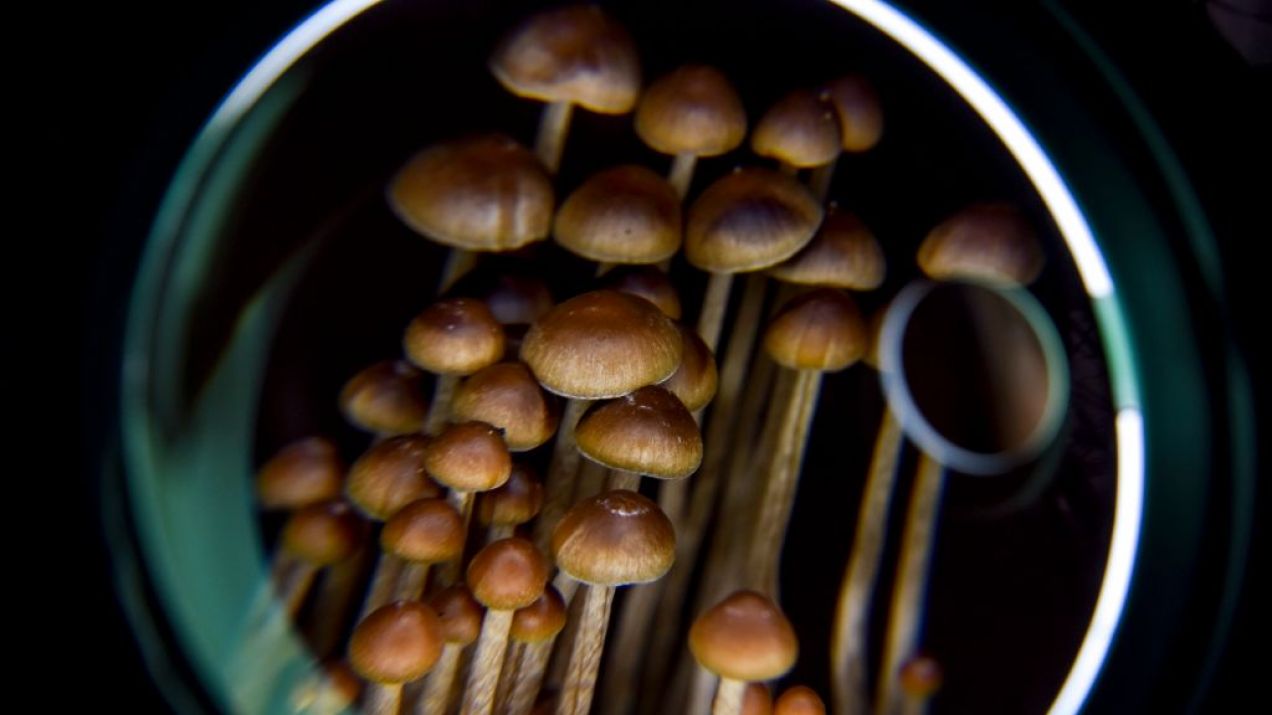
It is an organic compound with psychoactive properties, affecting perception, mood, as well as cognitive abilities and processes. It is found primarily in mushrooms of the Psilocybe genus, the most widely known being the species Psilocybe cubensis, which has dozens of varieties bred by mycology enthusiasts. It’s worth mentioning that they are commonly called “magic mushrooms” or – simply – “hallucinogenic mushrooms.”
How does psilocybin work?
This compound causes changes in the perception of reality, and consequently – hallucinations. Artists who have used its “benefits” have often reported experiencing entire visions and that it was thanks to these “hallucinations” that they created their best works. It has been suggested that the effects of psilocybin are similar to those of LSD, but much weaker. It also does not cause physical addiction.
During studies, preparations containing this substance are administered orally. The average duration of action is about 4-6 hours, and the first results are observed after 15-40 minutes, depending on the form of administration (fresh or dried mushrooms, infusion, etc.). Results are influenced not only by the psilocybin content but also by the individual’s predispositions. Experienced traumas, mood, health, mental disorders – these are just some of them.
What are the potential side effects of psilocybin?
Besides hallucinations, better problem-solving, and experiencing moments, psilocybin can cause certain negative effects. Some of them are summarized in the term “bad trip.” What might these effects be? The following are listed:
- loss of consciousness,
- gastrointestinal problems (including nausea and flatulence),
- memory disorders,
- headaches,
- panic fear and paranoia,
- disorientation,
- psychomotor disorders.
How to avoid the negative effects of psilocybin?
There are a number of ways to limit the negative effects of psilocybin. During studies of this substance with volunteers, appropriate dosages are indicated. Depending on whether the effect is therapeutic or hallucinogenic, so-called Microdosing or a “heroic dose.” You can find more about this in the relevant article available on my blog.
It should be emphasized at this point, however, that – generally – the higher the dose, the greater the risk of negative effects. In this context, it is also worth mentioning other preventative measures used by scientists, among others. It is therefore crucial to create a safe, comfortable atmosphere for the volunteer, in which they can calmly experience the emotions and sensations evoked by psilocybin. Close, trusted people often play a significant role during the administration of such preparations. A proper and varied diet, providing all the necessary micronutrients, both before and after taking a dose of psilocybin, is also crucial.
Isolating the subject from irritating stimuli may also be important. This is especially important if states of anxiety or panic arise. In such cases, the person must be calmed and provided with the relaxation they need at the moment, and above all, isolated from sudden auditory and auditory stimuli. Instead, you need to build positive feelings, aiming to convince them of the transient nature of the effects.
Psilocybin – the drug of the future?
Although this substance is still on the banned list, there are indications that attitudes towards it will change. However, until it is at least decriminalized, only licensed centers have the right to use it in research. It’s also important to remember that even if strict restrictions are lifted, psilocybin, like other drugs, can still cause negative effects. Therefore, its use requires caution and appropriate conditions.