

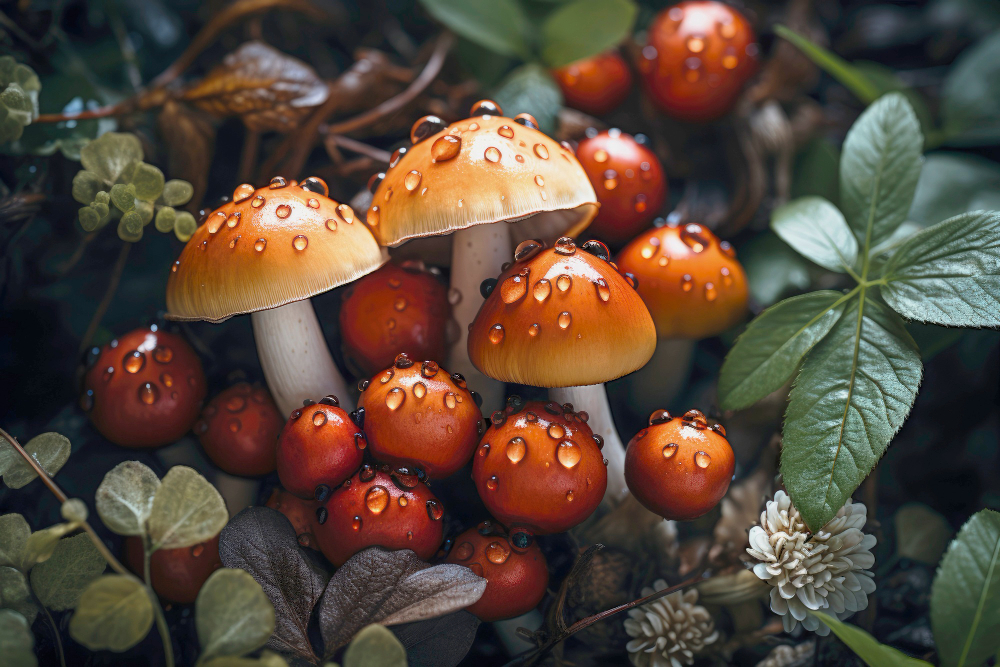

Mushrooms are revealing more and more secrets to us, especially in terms of functionality. However, some of them are banned, including Psilocybe cubensis, because they contain psilocybin, which makes them psychoactive. This has led to them being classified as hard drugs. However, the compound itself is seen as a potential cure for many ailments. To learn more about it, I encourage you to read this article, where I present the substance in more detail, its effects, medical potential, and the risks associated with its use.
What is psilocybin?
It is a type of tryptamine alkaloid found in various species of mushrooms. However, the most widely associated with it is Psilocybe cubensis, from which dozens of different variants have been obtained, characterized by different phenotypes and also by the content of this substance. Structurally, psilocybin resembles serotonin, which directly translates into its effects on the prefrontal cortex and other serotonin and dopamine receptors in the brain. More on this later in the article.
Importantly, this alkaloid occurs exclusively in the fruiting bodies. The mycelium and spores are free of it, allowing amateur mycologists to observe its development under a microscope. Enthusiasts therefore have access to a wide selection of growkits and liquid cultures of these mushrooms.
How does psilocybin work?
This compound is an agonist of serotonin receptors (primarily serotonin type 2A), which causes psychedelic effects. This, in turn, desynchronizes the brain’s electrical activity, leading to a kind of “network reset” or brain connections. This can result in hallucinations and altered perception of stimuli.
Translated into human terms, the effects of psychoactive mushrooms can cause a person (depending on the dose and individual predisposition) to see colors more clearly, feel them, touch sounds, and experience other, mixed stimuli. This is technically called synesthesia. In large doses, this alkaloid induces “entry to a mystical level” and feelings of transcendence.
However, psychedelic effects are not the only property of this compound. Psilocybin has been proven to have a significant impact on neuroplasticity. This phenomenon involves the formation of new connections in the brain. Stimulating neuroplasticity, in turn, can result in, for example, breaking old patterns and developing new ones (this also applies to habits and routines).
What medical potential does psilocybin have?
The aforementioned “deconstruction” of the ego and stimulation of neuroplasticity are considered effects that could have significant benefits in medicine, especially in the fields of psychiatry and psychotherapy. For this reason, this tryptamine is currently being studied as a treatment for, among others:
- depression, PTSD, and personality disorders,
- addictions,
- severe pain.
Depression is currently one of the greatest threats to civilization. It’s a deadly disease, killing thousands of people annually. Randomized studies and meta-analyses have shown that, compared to traditional medications, psilocybin may be more effective in reducing symptoms of depression with lower frequency of use. Furthermore, it is also being tested among people with Post-Traumatic Stress Disorder and Bipolar Disorder, and preliminary results seem promising.
Although psilocybin is legally classified as a drug (it should be emphasized that it is not physically addictive), it is potentially being studied as a means to combat addictions, including alcoholism, smoking, and… drug addiction. This is due to its ability to “break patterns” and create new ones. It’s worth noting that these subjects were more likely to abandon their previous addictions than others.
There are also studies indicating that the tryptamines contained in Psilocybin can be an ally in the fight against pain. This is due to their ability to modulate pain perception. It’s worth noting that tests are also being conducted on anxiety and pain associated with therapy, particularly in the context of people affected by cancer.
What are the potential risks associated with psilocybin use?
It’s important to always remember that psilocybin is a form of toxin for the body. Similarly to many medications prescribed by doctors. However, excessive ingestion of this substance can cause hallucinations and intoxication, manifesting as headaches, nausea, and increased blood pressure. However, these symptoms are usually temporary.
In people predisposed to schizophrenia, it is suspected of having the potential to trigger psychotic episodes and anxiety. This alkaloid can also cause a so-called bad trip, which involves hallucinations accompanied by mental anxiety. Rarely, this tryptamine also intensifies suicidal thoughts.
Psilocybin Contained in Cuban Psilocybin – Opportunity or Risk?
Despite certain risks, some of which are gradually being questioned by ongoing research, psilocybin appears to be a potential remedy for many ailments. Inducing an altered state of consciousness using mushroom-derived preparations may have therapeutic value. Once known primarily to primitive cultures and medicine men, they later received serious attention from scientists, until governments declared war on psilocybin. Today, this and other psychedelics are once again emerging as hope for millions of people with depression, PTSD, and addiction. So all that’s left to do is observe and follow further discoveries.