


In recent years, a growing body of scientific research has focused on the potential health benefits of psychoactive substances such as psilocybin and ayahuasca. These natural substances, which have been used in rituals and spiritual practices for centuries, are now being investigated for their therapeutic potential. In this article, we will take a closer look at the active ingredients of these substances, their effects on the brain, the experiences associated with them, and the potential health benefits and risks. Psilocybin and ayahuasca are substances that can induce intense psychedelic experiences. In a medical context, psilocybin and ayahuasca are increasingly being considered as potential therapeutic tools, particularly in the treatment of mental disorders. We will examine how they are currently used in medicine and therapy, as well as the legal aspects of their use. Finally, we’ll look to the future, exploring the potential of psilocybin and ayahuasca for treating mental health conditions.
Active Ingredients in Psilocybin and Ayahuasca
Psilocybin and ayahuasca are two different psychoactive substances with unique active ingredients. Psilocybin, the main active ingredient in some mushroom species, is a tryptamine compound that is metabolized into psilocin in the body. Psilocin then interacts with serotonin receptors in the brain, leading to various psychedelic effects.
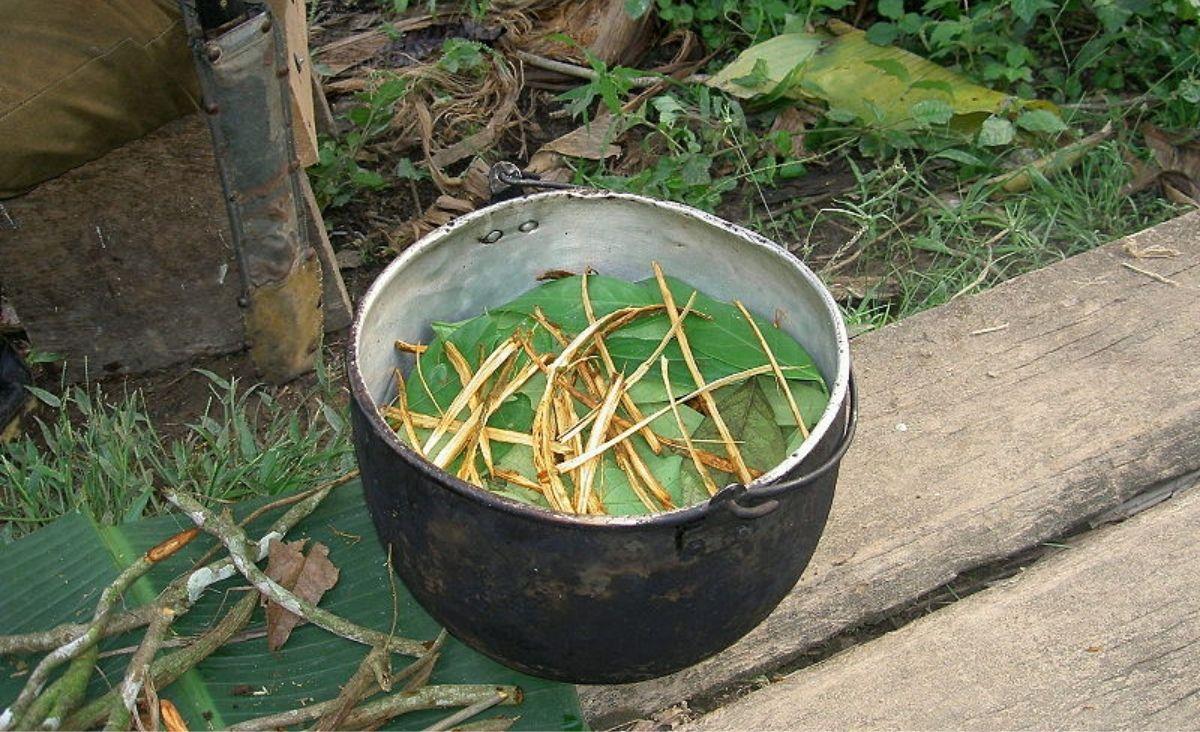
Ayahuasca, on the other hand, is a plant-based beverage that contains two main active ingredients: DMT (dimethyltryptamine) and MAO inhibitors (monoamine oxidase inhibitors) derived from the leaves of Psychotria viridis and the vine Banisteriopsis caapi. DMT is a potent psychedelic, but it is rapidly metabolized in the body by MAO enzymes. Therefore, Ayahuasca contains MAO inhibitors, which protect DMT from breakdown, allowing it to enter the brain.
- Psilocybin is metabolized into psilocin, which interacts with serotonin receptors.
- Ayahuasca contains DMT and MAO inhibitors, which allow DMT to enter the brain.
How Do psilocybin and ayahuasca affect the brain?
While psilocybin and ayahuasca are both psychoactive substances, their effects on the brain are slightly different. Psilocybin, the main active ingredient in some mushroom species, affects the 5-HT2A serotonin receptor in the brain, leading to increased neuronal activity. On the other hand, ayahuasca, a beverage native to the Amazon, contains DMT, which affects a variety of receptors, including serotonin, dopamine, and adrenergic receptors.
Psilocybin’s effects on the brain are often described as increasing brain plasticity, allowing for new connections between neurons. This can lead to intense sensory experiences, an altered sense of time and space, and profound changes in perception of self and the world. Remember that these experiences can be both positive and negative, and safety should always be a priority.
Ayahuasca, on the other hand, can lead to similar experiences, but they are often more intense and may include visual hallucinations. Many people describe ayahuasca experiences as spiritual or mystical. As with psilocybin, it’s important to remember safety and proper preparation before consuming ayahuasca.
Experiences with Psilocybin and Ayahuasca – Differences and Similarities
When comparing experiences with psilocybin and ayahuasca, you’ll notice both differences and similarities. On the one hand, both substances induce intense psychedelic experiences that can lead to profound personal and spiritual changes. On the other hand, the way these experiences are experienced can differ significantly. For example, psilocybin often induces more personal and introspective experiences, while ayahuasca can lead to more spiritual and transpersonal experiences.
Among the benefits of psilocybin and ayahuasca is their therapeutic potential. Research suggests that both substances can be effective in treating conditions such as depression, PTSD, substance addiction, and anxiety. However, both substances also have their drawbacks. Psilocybin can cause unpleasant side effects, such as anxiety, paranoia, and disorientation. Ayahuasca, on the other hand, can lead to strong physical reactions, such as vomiting and diarrhea, as well as intense emotional experiences that can be difficult to process.
Potential Health Benefits of Psilocybin and Ayahuasca
Scientific research in recent years has increasingly pointed to the potential health benefits of psilocybin and ayahuasca. These natural psychoactive substances, used for centuries in traditional rituals and spiritual practices, are beginning to gain recognition in the medical world for their potential healing properties.
Research indicates that psilocybin can have a significant impact on the treatment of conditions such as depression, obsessive-compulsive disorder, and addiction. The effects of ayahuasca on mental health are also the subject of numerous studies. Some suggest it may help treat depression, PTSD, and addiction, although further research is needed in this area.
However, it is important to remember that despite promising research results, the use of psilocybin and ayahuasca is not without risk. They can induce intense psychological experiences that can be difficult to predict and control. Therefore, they should always be used under the supervision of an experienced professional.
Risks and Side Effects of Psilocybin and Ayahuasca
Using psychoactive substances such as psilocybin and ayahuasca always carries some risk. Regardless of the potential benefits they may provide, there are many potential side effects and dangers that can arise from their use. Undefined variables such as individual tolerance to substances, mental and physical health, and even the environment in which substances are consumed can influence the experience and potential risks.
Side effects of psilocybin use can include hallucinations, perception changes, feelings of euphoria, but also anxiety and paranoia. With ayahuasca, side effects can be even more intense and include vomiting, diarrhea, intense hallucinations, and altered state of consciousness. In both cases, there is also a risk of psychological dependence, as well as potential risks to physical health, especially if the substances are used in uncontrolled conditions or in combination with other substances.
Uses of Psilocybin and Ayahuasca in Medicine and Therapy
In the context of medicine and therapy, psilocybin and ayahuasca are increasingly being considered as potential tools for treating various mental disorders. Psilocybin, the active ingredient in hallucinogenic mushrooms, is currently being studied for its potential effectiveness in treating depression, anxiety disorders, and addiction. On the other hand, Ayahuasca, a traditional plant drink used by indigenous peoples of the Amazon, is being studied for its potential effectiveness in treating addictive disorders and PTSD.
While both substances have shown promising results in clinical trials, there are also risks associated with their use. Psilocybin can induce intense psychedelic experiences that can be unpleasant or even traumatic for some people. Similarly, Ayahuasca can cause severe vomiting and diarrhea, which is part of the traditional cleansing associated with this drink, but can be dangerous for those with existing health problems.
It is important to emphasize that despite their potential benefits, psilocybin and Ayahuasca are still controlled substances in many countries, and their use without proper medical supervision can lead to serious legal and health consequences. Therefore, before considering their therapeutic use, we should thoroughly understand both the potential benefits and risks.
Legal Aspects of Using Psilocybin and Ayahuasca
In many countries around the world, the use of substances like psilocybin and ayahuasca is strictly regulated. In some cases, these substances are completely banned, while in others, they are only available to people who meet certain medical or religious criteria. For example:
- In the United States, psilocybin is classified as a Class I controlled substance, meaning it is illegal to produce, distribute, or use.
- In Brazil, ayahuasca is legal for religious use, thanks to a 1987 Supreme Court decision.
It’s important to remember that the laws surrounding these substances are complex and dynamic, and can vary depending on the country and context. Therefore, it’s always a good idea to consult a lawyer or other expert if you have any questions or concerns about this topic.
Psilocybin and Ayahuasca – The Future in Treating Mental Disorders
Both psilocybin and ayahuasca are increasingly being considered as potential tools in the treatment of mental disorders. Their unique psychoactive properties, which can lead to profound exotic experiences, are being investigated for possible treatment of conditions such as depression, PTSD, and addiction. Psilocybin, the active ingredient in some mushroom species, is currently being studied in the treatment of treatment-resistant depression, and initial results are promising. On the other hand, ayahuasca, a traditional South American psychedelic drink, is being studied for its potential effectiveness in treating addiction and PTSD. However, both substances have their drawbacks. Psilocybin can induce intense and unpredictable psychedelic experiences that can be dangerous without proper supervision. Ayahuasca, on the other hand, can lead to strong physical reactions, such as vomiting, as well as intense emotional experiences that can be difficult to process without appropriate therapeutic support.
Frequently Asked Questions
Are psilocybin and ayahuasca legal?
The legality of psilocybin and ayahuasca varies by country. In some countries, they are completely illegal, while in others, they are permitted for use in specific contexts, such as religious ceremonies or scientific research.
Can I use psilocybin and ayahuasca together?
Using psilocybin and ayahuasca together is not recommended, as both substances have strong psychoactive effects. Mixing them can lead to unpredictable and potentially dangerous effects.
Are psilocybin and ayahuasca safe?
Psilocybin and ayahuasca are generally considered safe, but like any psychoactive substance, they can cause side effects such as hallucinations, anxiety, and paranoia. They should always be used under the supervision of a professional.
Can psilocybin and ayahuasca be used to treat mental disorders?
Yes, there is research suggesting that psilocybin and ayahuasca may be effective in treating some mental disorders, such as depression and PTSD. However, more research is needed to confirm these results and understand how to best use these substances in therapy.
Are there any contraindications to using psilocybin and ayahuasca?
Yes, people with a history of mental disorders, such as schizophrenia or psychosis, should avoid using psilocybin and ayahuasca. Furthermore, some medications, such as MAO inhibitors, can interact with ayahuasca, leading to potentially dangerous effects.