

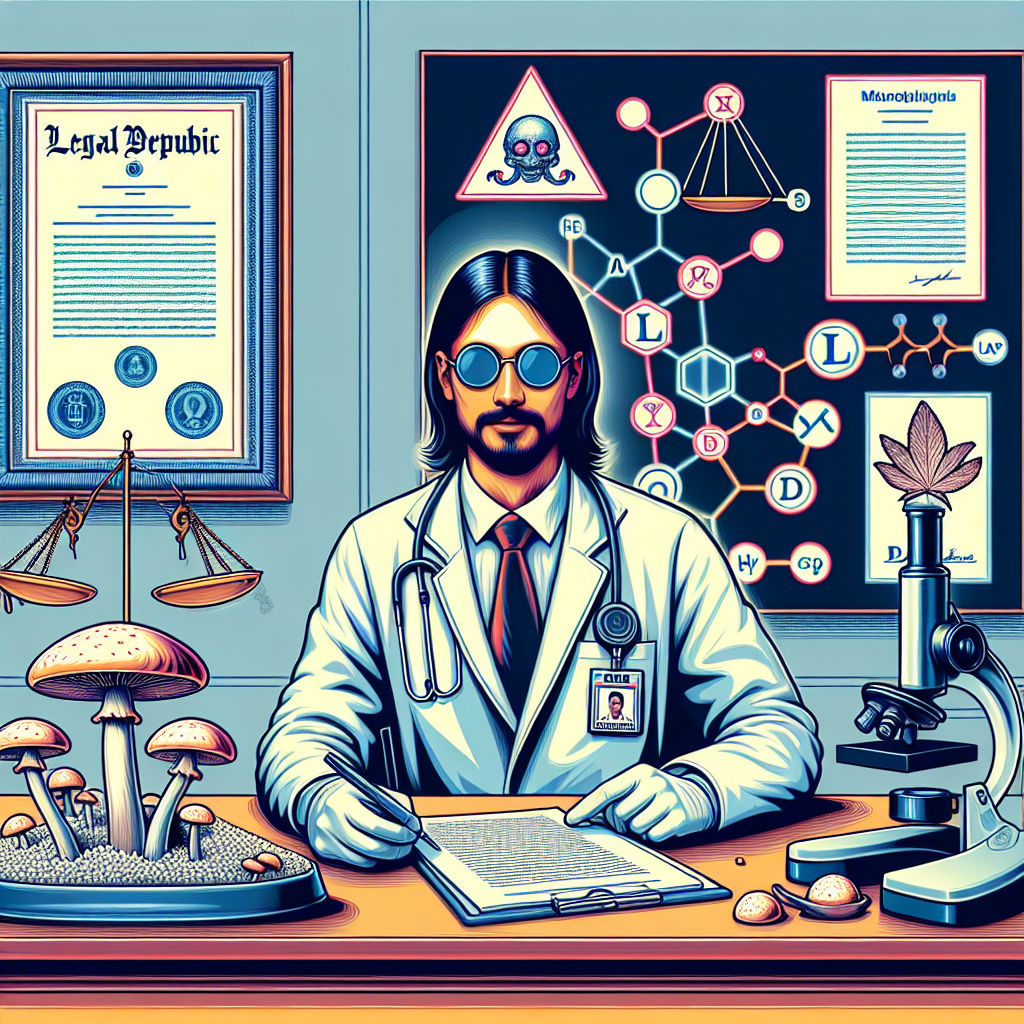

The Czech Republic has become the third country in the world to officially allow the medical use of psilocybin. Along with Australia and Switzerland, the country has joined a small group of countries that are opening up to the therapeutic use of psychedelics. The amendment to the law, passed on May 30, 2025, allows psilocybin to be used to treat difficult-to-treat mental disorders, including depression resistant to traditional treatments, PTSD, anxiety, addiction, and existential pain, particularly in cancer patients.
Regulations on Medical Psilocybin
The new regulations clearly state that psilocybin may only be used in licensed healthcare facilities, under strict psychiatric supervision. Medical personnel conducting therapies must have specialized training in psychedelic-assisted therapy. Medical psilocybin stands out from classic antidepressants for its rapid action – positive effects can occur after the first therapeutic session and last for up to several months.
Unlike conventional treatments for depression, whose effectiveness is usually visible only after several weeks, psilocybin is distinguished by a rapid onset of therapeutic action. Often, just one session is enough to achieve significant improvement in a patient’s health, which can last for up to several months.
Furthermore, regulations require the development of detailed implementing regulations regarding patient eligibility criteria and safety standards. This task is currently one of the key challenges in the process of implementing new legislative solutions.
Psilocybin in the Context of Global Therapeutic Trends
The Czech decision is consistent with global changes in the perception of psychedelic substances. Australia has been using psilocybin to treat depression since 2023, while Switzerland allows access to the substance in special research programs. The United States, particularly Oregon and Colorado, have gone further, making psilocybin available for personal development purposes as well. Following this trend, the Czech Republic is sending a signal to other countries, demonstrating the benefits of this approach.
Research, particularly that conducted by Imperial College London, confirms the effectiveness of psilocybin in treating depressive and anxiety disorders. This substance is also characterized by low toxicity and minimal risk of addiction, making it an attractive alternative to traditional pharmacological agents.
Long Tradition of Psychedelic Research in the Czech Republic
Czech experience with psychedelics has a rich history dating back to the 1960s, when pioneering research was conducted by Stanislav Grof. Currently, the country boasts an active research community. The Psyon Clinic in Prague has been offering ketamine-assisted therapy for several years and will soon begin offering psilocybin and LSD as part of its research programs.
A leading figure in Czech research is Dr. Tomáš Páleníček, who studies the effects of psilocybin on brain activity. His pioneering research shows that group therapies can gain in effectiveness through the neural synchronization of participants. Experts such as Dr. Pavel Bém and Prof. Jiří Horáček emphasizes the therapeutic potential of psilocybin as a complement to traditional psychiatric therapies.
Challenges of Implementing New Therapies
Introducing psilocybin into the legal medical market is fraught with difficulties. One of the main challenges is the high cost of such therapy. If appropriate reimbursement systems are not implemented, this treatment may remain available only to individuals with high financial status or those qualified to participate in specialized clinical trials.
Furthermore, access to the therapy is currently limited to those who have failed to respond to traditional treatments. There is also concern that some patients, discouraged by formal restrictions, will seek psilocybin on the informal market, which carries the risk of uncontrolled side effects.
Threats of the Informal Market
The informal market for psychedelic substances poses a serious challenge. Mushrooms containing psilocybin are relatively easily accessible, which can lead to patients—discouraged by complicated procedures or high treatment costs—reaching for remedies from unverified, illegal sources. This practice poses a risk to the health and safety of users.
Prospects for the Further Development of Psychedelic Therapy
The legalization of medical psilocybin in the Czech Republic could be the beginning of broader changes. Therapies using it could improve patients’ quality of life and reduce the burden on the healthcare system by reducing treatment time and social costs.
Experts predict that the Czech Republic could become an attractive destination for therapeutic tourism in the future, attracting people interested in this type of treatment, which is unavailable in their home countries. A similar phenomenon is currently being observed in some Latin American countries, where tourism related to ayahuasca rituals is developing. The Psyres Foundation, which is actively involved in the development of research on psychedelic substances, has already pledged over 10 million kroner for further research projects. In the long term, these activities could benefit not only the patients themselves, but also society more broadly.