

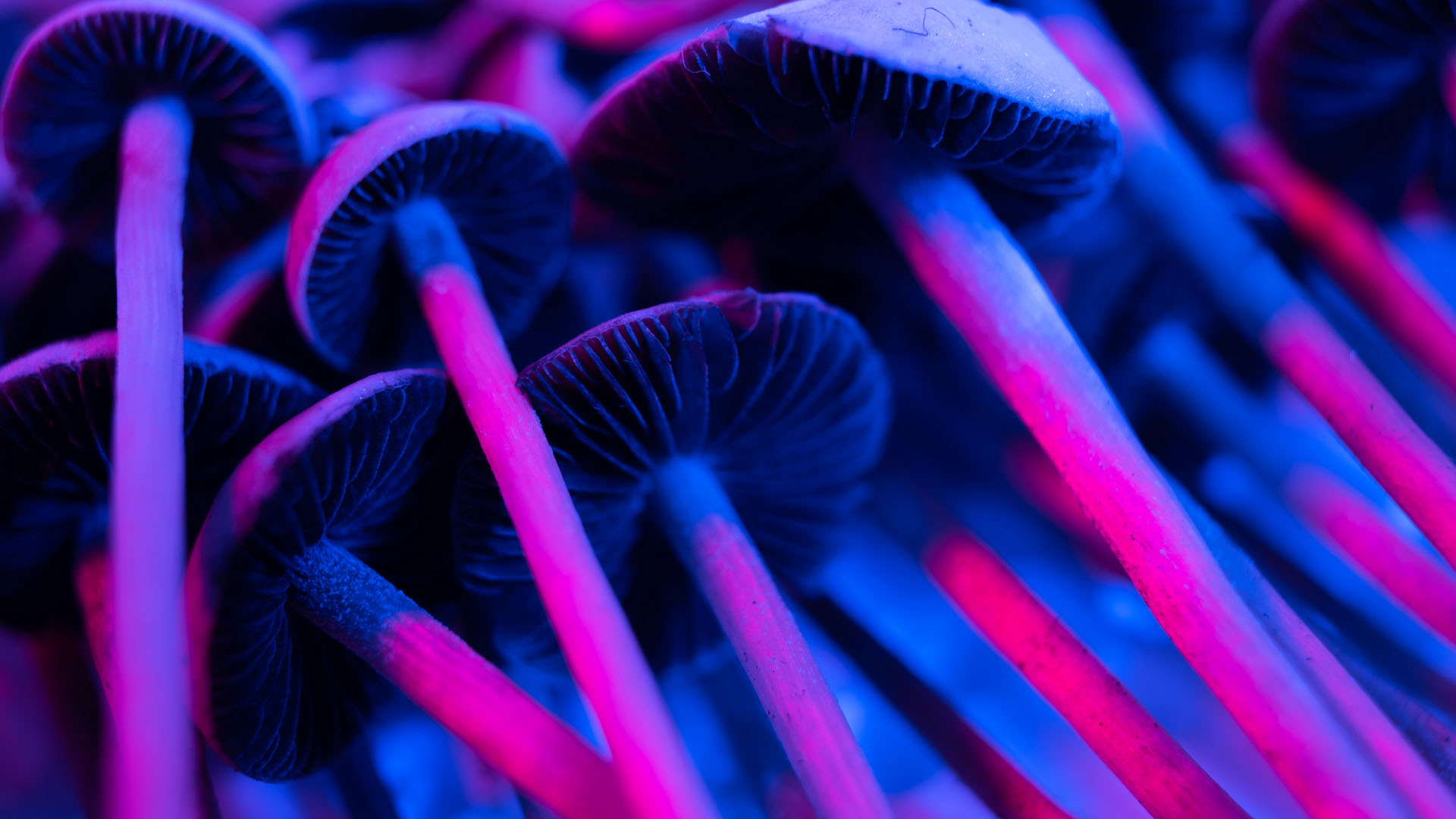

Magic mushrooms, also known as hallucinogenic mushrooms, are mushrooms containing psychoactive substances such as psilocybin. For centuries, they have been used in ritual and spiritual practices in various parts of the world. Nowadays, these mushrooms are gaining increasing attention due to their potential therapeutic applications. However, this topic is open to various interpretations and is full of unanswered questions.
We will not only present the history and cultural background of magic mushrooms, but also discuss their properties and mode of action. We will also address legal issues and the potential benefits and risks associated with their use. I want this text to be a source of reliable knowledge and answers to any questions you may have.
Definition and Types of Magic Mushrooms
When we talk about “magic mushrooms,” what exactly do we mean? These are mushrooms containing psychoactive substances such as psilocybin, which are known to induce altered states of consciousness, including hallucinations and profound spiritual experiences. While there are many species of psychoactive mushrooms, a few are particularly well-known and widely studied.
Psilocybe Cubensis
One of the most recognizable and widely available species, Psilocybe cubensis, is known for its relatively large size and wide availability. It is often chosen by enthusiasts for its moderate potency and ease of cultivation.
Psilocybe Semilanceata
Also known as “liberty cap,” Psilocybe semilanceata is a smaller but more potent species commonly found wild in Europe. Its hallucinogenic potential is significantly higher, making it a popular choice among experienced users.
Other “Magic Mushroom” Species
Other species, such as Psilocybe azurescens and Psilocybe cyanescens, are also attracting interest due to their unique properties. They differ in strength, effects, and the environments in which they naturally occur.
These mushrooms differ not only in appearance and location, but also in the intensity and nature of the experiences they induce. It’s worth noting that each of these species has a unique chemical profile, which influences the user experience. In the following sections, we’ll take a closer look at the historical and cultural significance of these mushrooms, their active ingredients, and their impact on the human psyche.
Historical and Cultural Significance of Magic Mushrooms
Magic mushrooms, long shrouded in mystery, have a rich and diverse history of use in various cultures around the world. Their influence on communities and spiritual practices throughout the ages has been both profound and fascinating.
Ancient Traditions
One of the most significant examples of the historical use of magic mushrooms is found among the ancient civilizations of Mesoamerica, including the Aztecs. For them, the mushrooms, called “teonanácatl” (literally meaning “divine mushrooms”), were sacred and used in religious ceremonies to communicate with the gods. In these rituals, mushrooms served as a tool for achieving trance and visions, enabling a deeper understanding of the spiritual world and its mysteries.
Medieval Europe
In Europe, although less documented, there is evidence suggesting that hallucinogenic mushrooms were known and perhaps used for ritual and medicinal purposes. There are theories linking magic mushrooms to aspects of European folklore, including tales of “witches” and their “flights.”
Indigenous Cultures
Indigenous tribes of North and South America also had a long history of using hallucinogenic mushrooms in their spiritual and medicinal practices. For many indigenous communities, these mushrooms were important in healing and transformational ceremonies.
Modern Discoveries
In the 20th century, thanks to the work of people like Robert Gordon Wasson, an ethnobotanist and explorer, magic mushrooms were rediscovered in the Western world. Wasson, who documented the use of mushrooms in Mazatec rituals in Mexico, contributed to the growing interest in these substances in the Western world. This rich cultural and historical legacy of magic mushrooms demonstrates how deeply rooted they are in human traditions and practices.
What Psychoactive Substances Are in Magic Mushrooms?
The main psychoactive substance that gives magic mushrooms their unique properties is psilocybin. It is psilocybin that is responsible for inducing the altered states of consciousness that users of these mushrooms experience. But what exactly happens when psilocybin enters the human body?
Psilocybin and Its Transformation
After ingestion, psilocybin is converted in the body into psilocin, a chemical that actively affects the brain. Psilocin binds to serotonin receptors, particularly 5-HT2A receptors, leading to changes in perception, mood, and thinking. This is similar to the effects of other psychoactive substances, such as LSD, although the mechanisms of action are different.
Effects on the Brain and Perception
The effects of taking magic mushrooms can vary greatly depending on the individual, the dose, and even the environment in which they are consumed. These experiences can include visual and auditory hallucinations, changes in time perception, a feeling of deep connection with one’s surroundings, and introspection. They can also sometimes induce so-called “mystical experiences,” characterized by a deep sense of unity and understanding of the universe.
Long-Term Effects
Interestingly, studies show that even one-time experiences of taking mushrooms can have long-lasting positive effects on well-being and mental state. Some users report lasting changes in their lives, such as improved mood, increased openness, or reduced anxiety.
Safety and Risk
It’s worth noting that despite the potential benefits, consuming psychoactive mushrooms also carries risks. Inappropriate dosages, poor environmental conditions, or existing mental health issues can lead to unpleasant experiences known as “bad trips.”
Legal Aspects of Possession and Use of Magic Mushrooms
The legality of magic mushrooms is complex and varies from country to country. Many countries classify psilocybin-containing mushrooms as controlled substances. However, recent years have seen a global shift in attitudes toward these and other psychoactive substances, influencing changes in legislation.
An interesting aspect of the legal debates about magic mushrooms is the growing interest in their potential use in medicine. In some countries, research is being conducted into the therapeutic use of psilocybin, for example, in the treatment of depression or anxiety. This research may influence the future legal status of these substances.
The legal status of magic mushrooms is a rapidly evolving area, reflecting the evolving social and scientific understanding of their potential benefits and risks. In the next section, we will focus on research regarding the medical and therapeutic uses of these mushrooms.
Medical and Therapeutic Uses of Magic Mushrooms
Recent years have seen significant progress in research into the medical and therapeutic uses of magic mushrooms. A growing number of scientific studies are examining psilocybin, the main active ingredient in these mushrooms, as a potential treatment for various mental health conditions.
Research on Depression and Anxiety
One of the most promising avenues of research is the use of psilocybin in the treatment of depression and anxiety disorders. Preliminary results from several studies suggest that psilocybin can provide significant relief for patients for whom traditional treatments are ineffective. Patients often describe a feeling of a mental “reset,” which may be the result of changes in the way the brain functions under the influence of this substance.
Addiction Treatments
Another interesting area is research into the use of psilocybin in the treatment of addictions – from nicotine to alcoholism. Research shows that psilocybin therapy sessions can help break addictive patterns and increase motivation to change.
Potential Uses in PTSD and Other Disorders
Psilocybin is also being investigated as a possible adjunct in the treatment of post-traumatic stress disorder (PTSD) and other serious mental health conditions. This substance’s effects on brain plasticity and the ability to generate new neural connections may open up new therapeutic avenues.
Magic Mushrooms – Summary
Although the research findings are promising, challenges remain related to legality, dosage control, and therapeutic methodology. Scientists emphasize the need for further research to better understand the long-term effects and potential risks associated with the therapeutic use of psilocybin.
The potential medical and therapeutic applications of magic mushrooms open new perspectives for psychiatry and psychotherapy, while raising important questions about best practices for their use.