

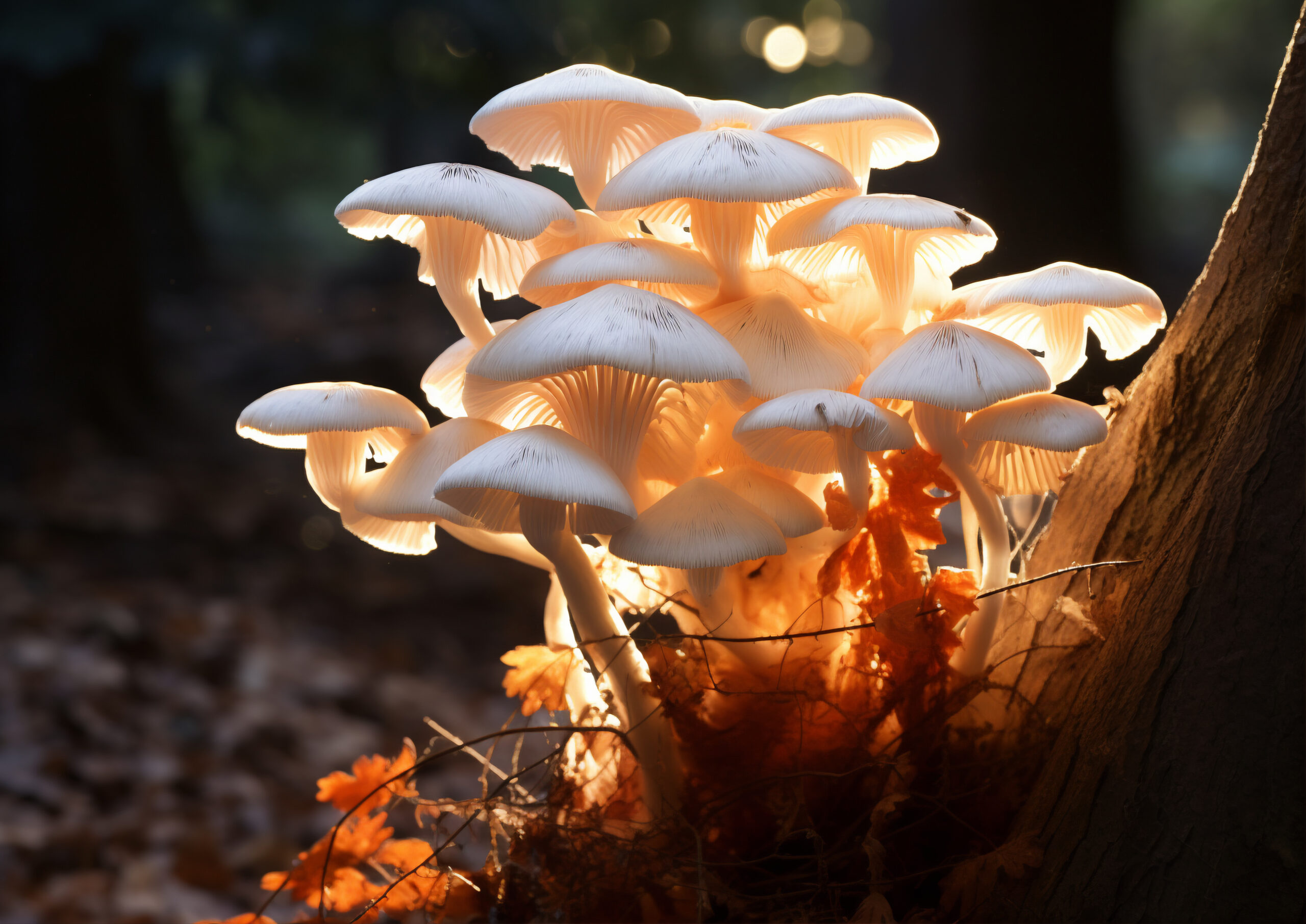

Known in Chinese and folk medicine for centuries, they have only been discovered in the West (including Poland) for a dozen or so years, although some species, despite their exotic names, are also found in our country. Mushrooms were once treated merely as a tasty addition to sauces, soups, and other dishes. However, as various studies show, they contain a range of nutrients essential for the proper functioning of the body. What’s more, selected species contain substances that provide increased vitality, beneficial effects on the brain, and more. It’s no wonder the term “fungotherapy” was finally coined. Healthy mushrooms, as they are commonly referred to, can be a breakthrough in everyday life for many. Learn more about them now!
The most popular health mushrooms and their properties
There are many species of mushrooms around the world, attracting interest from scientists and people seeking better health and performance. It’s worth noting that research on individual types of organisms from this kingdom is sometimes ambiguous, confirming and questioning their effectiveness. This may be due to various reasons. First and foremost, mushrooms produce specific substances in varying concentrations. This means that within a single species, each fruiting body contains a different level of a given compound.
Regardless, many people still confirm the positive effects of selected members of the colorful and extensive fungi family. What species are these? What health benefits do these fungi have? Find out below.
Reishi
Found worldwide except in Antarctica, the lingzhi mushroom, more commonly known as Reishi, is one of the most commonly used health mushrooms. Although it occurs in Poland, it is very rare and is a protected species. However, there are plenty of supplements containing extracts or powdered versions of this mushroom.
Reishi is a vitamin and mineral powerhouse. It contains iron, selenium, and B vitamins, as well as a complex of amino acids. Furthermore, this mushroom provides a cocktail of nutrients with anti-inflammatory properties. As a result, among other things, it improves the functioning of the immune system. It is also credited with the following properties:
- anti-cancer,
- antidepressant,
- stimulating concentration,
- improving mood,
- improving the functioning of the nervous system Circulation.
Cordyceps
No, not the kind in The Last of Us, although it does indeed parasitize invertebrates and other fungi. Cordyceps, native to the Himalayas, is – according to Chinese medicine, among others – a panacea for many ailments. This stems from the fact that it supports the immune system in fighting various organisms – from parasites to viruses. It has been suggested that it can also help calm thoughts and emotions. In addition, some studies suggest it has a beneficial effect on the kidneys.
Lion’s Mane
This is another mushroom found worldwide, but not necessarily in large quantities. Lion’s Mane (or lion’s mane) grows in North America, Europe (including rarely in Poland, where it is protected), and Asia. In theory, it helps restore the body to balance – both physiologically and mentally. Due to its beneficial effects on the brain’s neural system, it is seen as a potential ally in the fight against Alzheimer’s disease.
Shiitake
Also known as the edible or Japanese mushroom, the Shiitake is a species prized in Asian cuisine. It is not only delicious but also healthy. It is one of the most well-studied health mushrooms. Its fruiting bodies contain lentinan, a compound that positively affects the immune system. Moreover, it is an adjunct to anti-cancer therapy and for HIV-infected individuals.
How to introduce mushrooms into your daily diet? Practical tips
The vast majority of the mushrooms I’ve presented above are available in extracts. Therefore, they are taken in the form of supplements, whether powders in capsules or teas. Furthermore, shiitake can be eaten in various Asian dishes, but not exclusively. They work well in a variety of native meals – from scrambled eggs and salads to meats stuffed with these mushrooms. It’s also worth incorporating our native species into your regular diet. They can also support our bodies’ proper functioning.
When choosing typically healthy species, you should carefully select healthy edible mushrooms to suit your needs and implement them separately. Why? For several reasons.
First and foremost, you definitely want to be clear about which one is actually working for you. Taking them all at once may result in different effects, and it will be difficult to attribute them to specific species. Furthermore, substances contained in one mushroom may suppress or enhance the effects of compounds in another. This is an undesirable situation, so it’s worth knowing which of them can be combined.
Chinese medicine also recommends taking mushrooms at specific times of day. For example:
- Take cordyceps in the morning, around 8:00 AM.
- Take lion’s mane around 10:00 AM.
- Take shiitake around 6:00 PM.
- Take reishi around 8:00 PM.
Mushroom Safety and Dosage – What to Remember When Supplementing
As with everything, you should be careful with mushrooms. This is because they can provide numerous benefits, but excess amounts of certain compounds can be harmful. Furthermore, mushrooms, especially wild ones, have the ability to accumulate heavy metals. This doesn’t mean that consuming them is dangerous. As the saying goes, a small dose makes a poison. It is estimated that approximately 100 grams of fresh mushrooms per week is a safe dose. For these reasons, it is always worth following the instructions regarding the amount of the preparation taken and familiarizing yourself with the contraindications specific to a given species.