

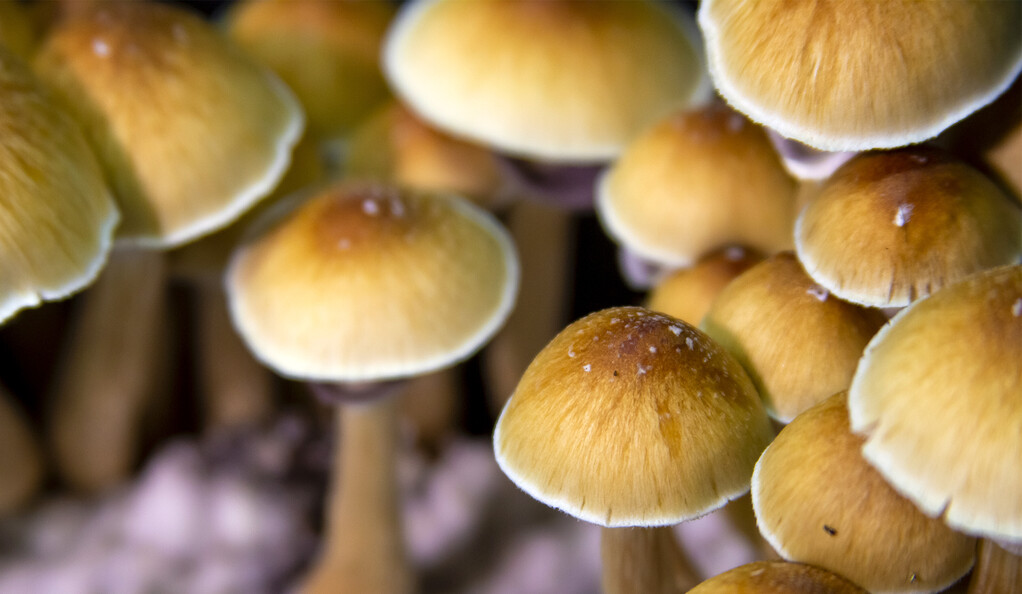

The modern world provides a wealth of stimuli and stress, resulting in more and more people suffering from mental health problems. In these circumstances, the search for effective treatment continues. Psilocybin therapy, although difficult to achieve, potentially seems to be one of the most effective ways to do so. Find out what you need to know about it.
Is psilocybin therapy legal in Poland?
It’s worth first clarifying that psilocybin therapy itself is currently illegal in the vast majority of civilized countries. This is due to the fact that this compound, treated on a par with many hard drugs, has been banned from sale and use as a pharmaceutical. Research into its specific uses is only permitted.
However, this doesn’t mean that such treatment won’t be possible in the future. Quite the opposite. There are signs that the coming years will bring a dramatic change in the approach to psychedelics in general, as seen, among other things, in the decriminalization of nature movement in the US. Activists in this initiative have already succeeded in decriminalizing the cultivation of certain plants and mushrooms in gardens in several major cities. Although the issue is still marginalized at the federal level, both ordinary people and scientists indicate that psilocybin therapy brings more benefits than potential harm.
How can one undergo psilocybin therapy?
Because treatment with it remains illegal, it is officially impossible to go to or sign up for something we would call therapy. However, a growing number of centers in Poland, Europe, and the USA are conducting studies involving volunteers suffering from depression and various addictions. For scientists, these experiments provide valuable data and strong arguments for decriminalizing this compound. For participants, it’s psilocybin therapy.
What does mushroom (psilocybin) therapy look like?
Besides the formalities of recruiting participants for trials, treatment with psychedelics, including psilocybin mushrooms, typically looks very similar. A thorough interview is conducted with the patient, and any mental illnesses that could potentially be exacerbated by the effects of this substance are ruled out. Finally, the participant schedules a specific session with psychedelics. Mushroom therapy involves the controlled administration of a psychoactive substance.
Researchers, often psychiatrists and other medical professionals, accompany the patient on this journey, providing support at every stage of the psychedelic’s effects. They create an environment conducive to peace and tranquility, often treating the tester to soothing music. Microdosing of psilocybin is typically used for therapeutic purposes, but it does not provide psychedelic experiences, at least not at the hallucinatory level.
Psilocybin Therapy as a Support for Psychotherapy
It’s important to remember that psilocybin therapy, like psychotropic medications, is solely a pharmacological support for psychotherapy. Therefore, several sessions with this substance are part of a broader treatment. Research results are more than promising – “magic mushrooms” can help with treatment-resistant depression, PTSD, alcoholism, drug addiction, and other disorders. In Poland, mushroom therapy is currently the subject of scientific research. So let’s keep our fingers crossed that psilocybin will be decriminalized as soon as possible and that people will gain access to effective therapy.