

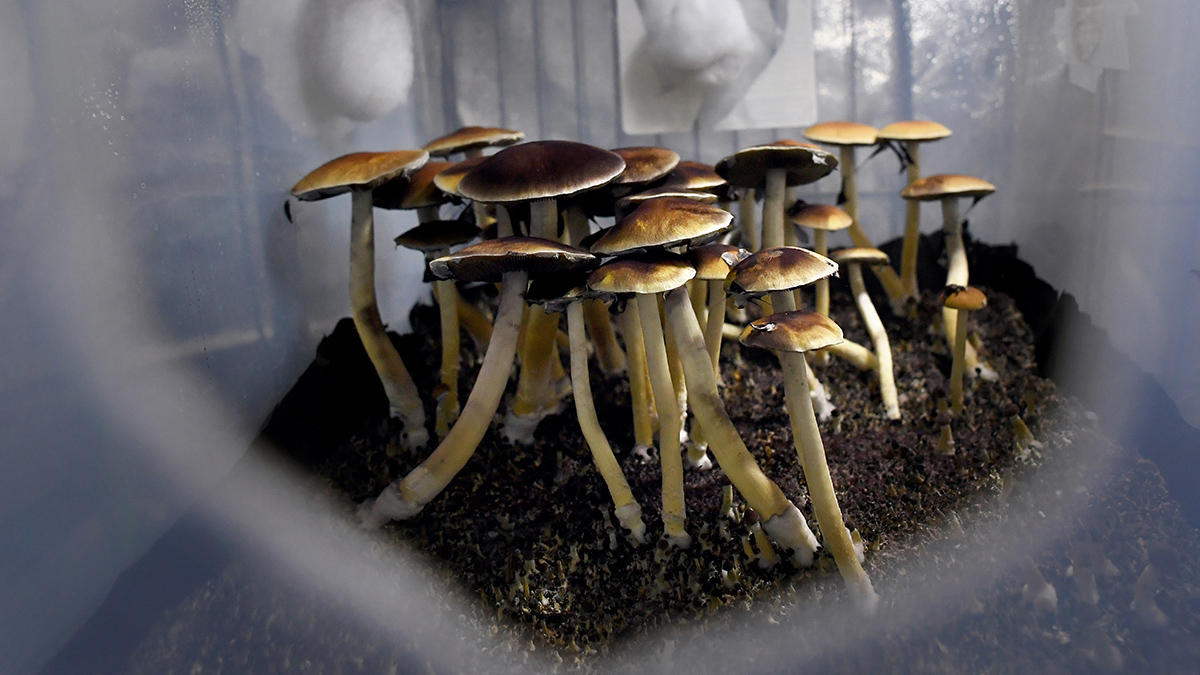

“Magic mushrooms” – this is the term used to describe the genus Psilocybe, which includes a number of psilocybin mushrooms. Their name derives from the compound they contain – psilocybin. This banned psychedelic has been attracting considerable scientific interest for years. This stems from the fact that this and similar substances are seen as potential treatments for many mental ailments. Although it is typically tested in the context of treating depression, other personality disorders, and PTSD, there is increasing talk of its potential use in combating alcoholism and other addictions. Read the article below to learn more about this topic.
Psilocybin – a subject of interest for psychologists and psychiatrists
Psilocybin is a compound structurally similar to serotonin, which is why it is perceived by serotonin receptors, among others. As a psychedelic, it was banned in the mid-20th century as part of the fight against drug addiction, which resulted from the drug-related excesses of American youth at the time. Unfortunately, with its criminalization, a great deal of research conducted by scientists and doctors with their patients was also discontinued.
Years later, when the dust from this battle had settled somewhat, many researchers are returning to psychedelics. They see enormous potential in treating many personality disorders, including depression, a disease that not only affects quality of life but, above all, can be fatal. Numerous studies show that these compounds, including psilocybin, provide much better results than the latest generation of psychotropic drugs, and at much lower dosages.
Furthermore, scientists, including those from New York University, point to the enormous potential of treating addiction using psychedelics. I write more about this below in separate sections. I encourage you to read on.
Psilocybin and Alcoholism
Above, I mentioned the results of research by scientists from NYU, specifically the Grossman School of Medicine. One of the authors of these studies, Michael Bogenschutz, described the effects of psilocybin tests on alcohol-dependent individuals. In combination with psychotherapy, taking this substance reduced the number of days patients drank by an average of 83%. Considering how difficult alcoholism is, this is an excellent result, allowing for an optimistic outlook on the effects of treatment. Although the study group was relatively small (93 women and men aged 25-65), the results of these tests are encouraging.
The tests lasted 12 weeks, and the subjects were divided into two groups. One received a high dose of psilocybin, the other an antihistamine. Without getting into technical details, for those who received psilocybin, the effect was as described above. Meanwhile, for the placebo group, the reduction in alcohol consumption decreased by an average of 51%. This clearly indicates that psilocybin offers more than 50% better results, allowing for more effective recovery from addiction. This thesis is confirmed by the final test results, when 48% of the subjects stopped drinking completely eight months after the first dose of psilocybin, compared to only 24% of those taking an antihistamine.
Psilocybin for the Treatment of Drug and Nicotine Addiction
The author of this study indicates that psilocybin has potential in treating more than just alcoholism. He boldly postulates that these results could be replicated in patients treated for addiction to nicotine, cocaine, and opioids, among the most severe drugs. Intensive research is underway on this topic, among others. at Johns Hopkins University, including by Albert Garcia-Romeu.
The tests he and his team conducted showed that within 16 months, after using 2-3 medium doses of psilocybin, the majority of the 15-person group undergoing therapy quit smoking. This compound also reduces the risk of taking cocaine, opioids, and marijuana.
But… isn’t psilocybin addictive?
This is a very common question and concern from those unfamiliar with the subject, as well as politicians who treat psychedelics the same as other hard drugs. Meanwhile, psilocybin not only lacks physical and chemical addiction, but remains highly safe for the brain. However, it’s important to remember that, like any drug, and even other substances consumed daily, it can have negative effects. That’s why it’s so important to use the appropriate dose in a controlled setting.