


Modern Medicine and Psilocybin
Although modern medicine is highly developed, there are still areas where it neither demands nor provides patients with appropriate solutions. It’s no surprise, therefore, that many people choose to utilize the benefits of alt-med, demonized by doctors… but also perceived by a growing number of them as a solution when other remedies fail. The situation is similar with psilocybin. The substance produced by hallucinogenic mushrooms is currently being tested for many purposes, including as a drug to combat mental illness. And what illnesses can psilocybin treat? Find out below.
What is psilocybin?
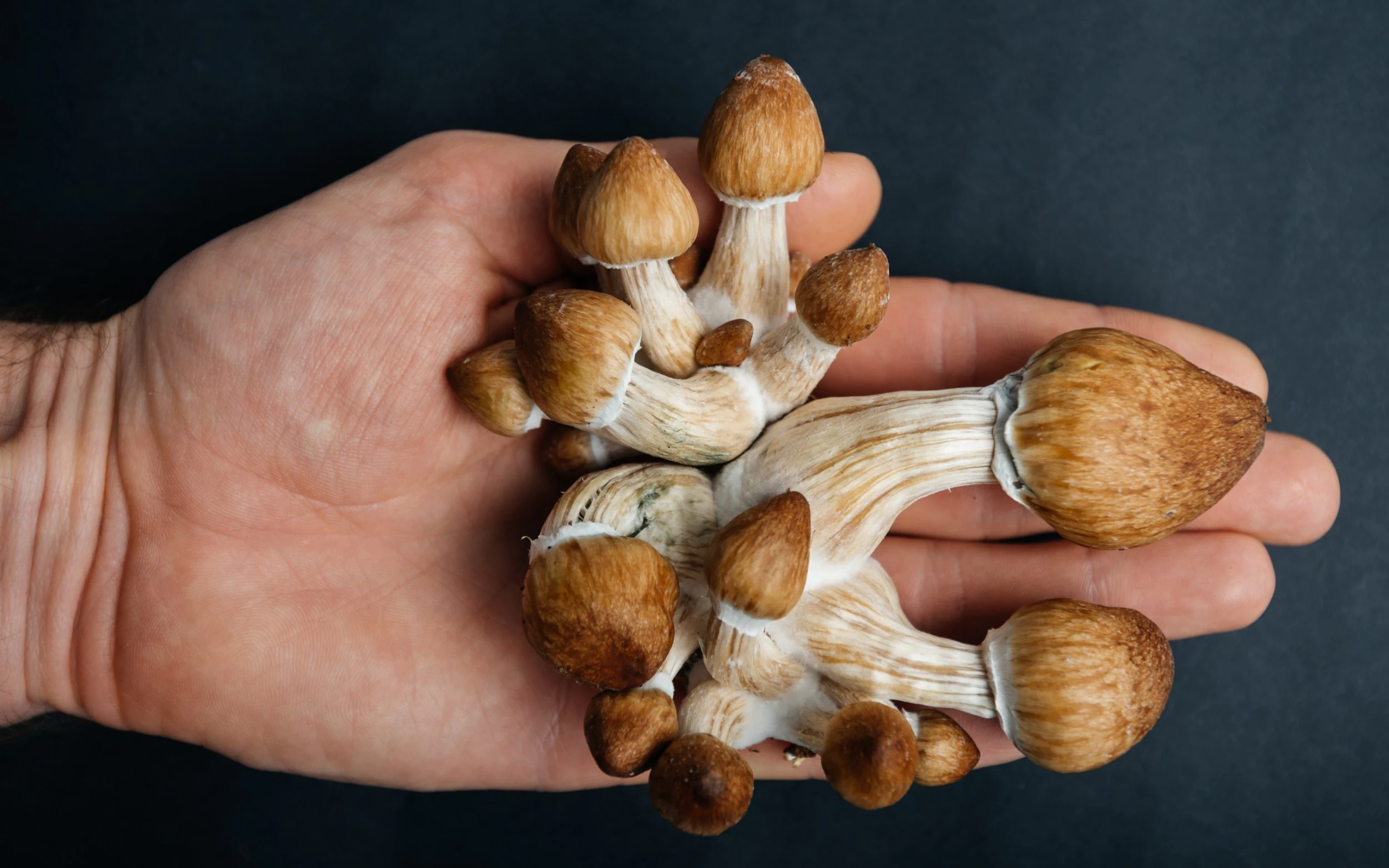
It’s worth first explaining what this compound is. It’s a substance produced by mushrooms from the Psilocybe class, including selected Psilocybe mushrooms and others. One of the most popular species is Psilocybe cubensis, also known as the Cuban Psilocybe mushroom. It’s worth noting that the cultivation, possession, and trade of specimens containing psilocybin have been banned in Poland and many other countries. This is due to the compound’s psychedelic effects. Psychedelics are only now being tested by licensed facilities.
Psilocybin is a compound with effects comparable to LSD, mescaline, and DMT. It affects perception, consciousness, and thinking, sometimes projecting entire visions into the brain. However, appropriate doses have a stimulating effect on serotonin, among other things. Importantly, if the processes of this neurotransmitter are disturbed, it can wreak significant havoc on the body. It’s no wonder, then, that scientists are puzzled by the question of what diseases psilocybin can treat. Below you’ll find a few examples of how this substance is being tested.
Depression
Depression is undoubtedly one of the worst illnesses of our time. It’s been reported that more and more people are struggling with its symptoms. It leads not only to a reduced quality of life but also to death. It also poses a particular threat to young people – the percentage of sufferers among young people has increased dramatically in recent years, especially after the pandemic.
The primary treatment for depression is psychotherapy, while pharmacology is an adjunct therapy. The problem is that modern antidepressants, although they represent a new generation, still have many negative effects. Scientists are therefore intensively researching psychedelics, including psilocybin, to treat this condition. Among the pioneers using this compound to combat depression is Robin Carhart-Harris of Imperial College London. The vast majority of patients tested experienced significant relief after three months.
Post-traumatic stress disorder
It’s worth knowing that this isn’t the only use for this substance.What illnesses can psilocybin treat besides depression? Scientists from the University of South Florida decided to use this compound to treat PTSD (Post-Traumatic Stress Disorder). This condition is particularly common among people serving in uniformed services, primarily the army.
Traumatic experiences—participating in combat, being shot, being the victim of an accident—all of these lead to anxiety and flashbacks. Memories of those moments are often very intense, sometimes triggering aggressive behavior. Psilocybin, like medical cannabis, helps alleviate PTSD, as research at the aforementioned university has shown.
Alcoholism and other addictions
Psilocybin is not chemically addictive. For this reason, it is seen as a potential ally in the fight against alcoholism and other addictions. This is evidenced, among other things, by research results published in mid-2022 in the journal “JAMA Psychiatry.”
The results of tests conducted by, among others, Michael Bogenschutz of New York University School of Medicine indicate that using this substance in combination with psychotherapy helped reduce the number of days alcohol addicts overdose by 83%. Importantly, just two doses of psilocybin, administered over eight months (sic!) combined with work with a psychotherapist, were enough to achieve this result! The average amount of alcohol consumed per day also decreased in those taking the aforementioned compound. The scientist himself suggests that it can also be used to treat addictions to nicotine, cocaine, and opioids.
Cancer Therapy Using Psilocybin
It’s worth knowing that mental health conditions aren’t everything. What illnesses can psilocybin treat? Besides depression, PTSD, and addiction? Much suggests they can be used, among other things, in cancer patients. However, hallucinogenic mushrooms don’t cure cancer – rather, they provide support for people taking cytotoxic drugs (commonly called “chemo”) and help reduce anxiety related to the disease. In other words, they support patients’ morale.
Psilocybin for mental health problems and more
Now that you know what illnesses psilocybin can treat, you certainly understand why this compound is so popular among scientists. Despite all this, it still remains on the banned substances list, preventing the average person “off the street” from accessing it. We can only hope that further experiments with psychedelics, including those found in Psilocybe mushrooms, will persuade politicians to change their minds about psilocybin, which could save many lives.