


Psilocybin – Everything You Need to Know
Did you know that many psychedelic substances are currently being studied for medical use? Such tests are being conducted on LSD, among others, but also on another compound derived “from nature.” This is psilocybin. What is psylocybin? What are its sources? What does psilocybin help with? How quickly does it work and is psilocybin safe? These are just some of the questions you’ll find answers to in this article. Considering how fascinating this still-banned compound is, yet so intensively explored by various research centers, it’s definitely worth taking a closer look. I encourage you to read it now!
What is psilocybin?
This is definitely one of the most controversial organic chemicals found in nature.What is psilocybin? In organic chemistry, it is known as 4-PO-DMT. It is a compound with psychedelic properties. This means it affects perception and consciousness. It can cause changes in the way we think and experience reality (including leading to complete derealization) and intensify emotions. Therefore, the question is whether psilocybin is safe. You’ll find the answer to that a little further down. And getting back to the compound itself…
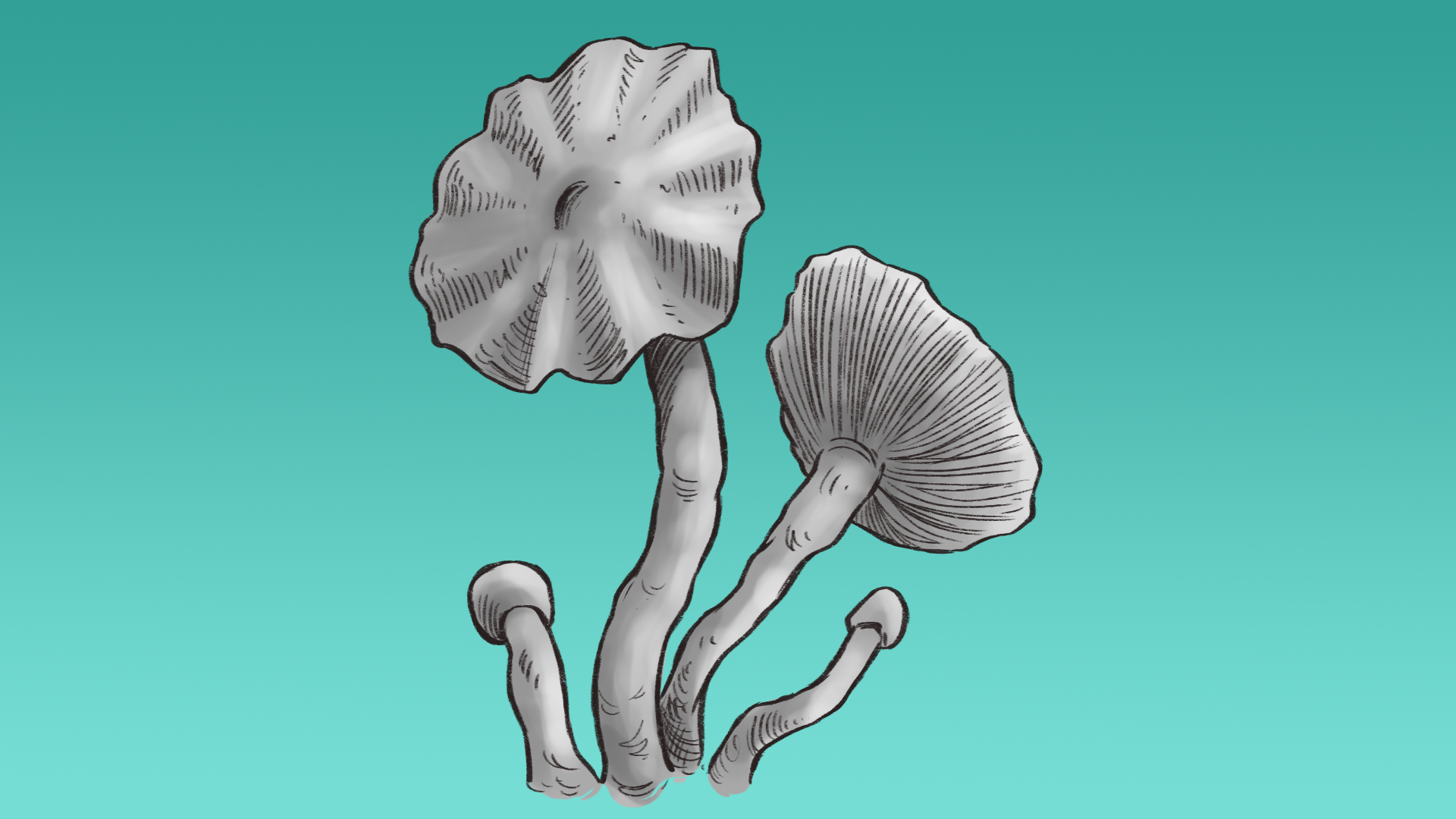
It’s not essentially a hallucinogen, although the mushrooms that produce it (there are up to 200 species worldwide, including primarily Psilocybe cubensis) are commonly called “hallucinogens.” In reality, however, by affecting perception, i.e., the perception of surrounding reality, it can distort it, for example, by intensifying colors, changing the contours of objects, etc.
It’s worth knowing that psilocybin is currently banned in the vast majority of countries. This, in turn, means that cultivating, trading, or possessing mushrooms that produce it are severely punished. Cultivation may only be conducted by specialized and certified research facilities that investigate, among other things, how long it takes for psilocybin to work and which areas of life it affects.
How does psilocybin work?
It has been shown to have similar effects to the aforementioned LSD. It can induce states of euphoria and all the effects mentioned above. This is due to its properties similar to those of serotonin. This substance activates its receptors, located in the prefrontal cortex. This area of the brain is responsible for perception and mood, among other things. It’s worth mentioning that the effects of psilocybin largely depend on the dose used, as well as the individual characteristics of the person who took it. Therefore, it can cause either positive or extremely negative effects. Therefore, it is the subject of research, and scientists have been trying for some time to answer what psilocybin helps with.
What does psilocybin help with?
Although scientists still warn against some of its effects, they are increasingly willing to investigate what psilocybin helps with. Various centers often conduct extensive experiments to treat various illnesses, including personality disorders and others. One of the primary areas in which this substance is being tested is depression.
Such research is being conducted by, among others, Yale University, which recently demonstrated that this compound can be effective in treating depression associated with serotonin blockade. Although the tests were conducted on mice, researchers observed an increase in neuronal structure, specifically the part responsible for transmitting electrical impulses to the brain – dendritic spines. This is significant because they degenerate as a result of prolonged stress and depression. Furthermore, the density of these nerve cells was observed just 24 hours after taking just one dose (sic!). This effect persisted for a longer period of time – after a week, half of the newly acquired spines were found to be present. But what does this mean in practice in terms of emotional impact? Tests on mice showed that they performed better in, among other things, with stress.
This is definitely one of the most important directions in research on this compound. However, it has been pointed out that this is not the only way psilocybin helps. Some scientists have high hopes for it in the treatment of addictions (it does not have chemically addictive properties), including combating alcoholism. It is also being tested for use in the treatment of Post-Traumatic Stress Disorder and obsessive-compulsive disorder. However, scientists are still investigating whether psilocybin is safe.
How long does it take for psilocybin to work?
You now know what psilocybin is, how it works, and what hopes are pinned on it. It’s time to answer the question of how long does it take for psilocybin to work? In the case of preparations prepared by scientists, the results can be almost immediate – it has been shown that psilocybin can replace many antidepressants, improving the patient’s condition within 24 hours, maintaining the effects for a longer period. However, the natural substance produces effects with varying intensity. Much depends on whether you’re using fresh or dried mushrooms. In the former case, the concentration of the preparation per gram is lower than in dried fruiting bodies.
On the other hand, the method of administration also matters. If you consume psilocybin mushrooms, the effects can appear after 1-2 hours or 30 minutes (when taken on an empty stomach). However, when taken as a decoction, they can take up to 15 minutes to work. Its effects can last for 4-6 hours, but for some people, they can even last several days.
Is psilocybin safe?
Now that you know what psilocybin is, it’s worth learning about its safety. It’s important to remember that it’s a psychedelic and intoxicating substance, which is why it’s legally banned in most countries. Cultivating the mushrooms that produce it, possessing them, and trading their fruiting bodies is illegal (the same is true for grow kits, which don’t contain this compound). However, it’s increasingly being recognized that it can be helpful in treating many illnesses, making the brain, as scientists themselves put it, more flexible. However, taking such a drug can sometimes result in a bad trip, meaning states of panic, confusion, and sudden mood swings. It’s important to remember that, due to its source, it also potentially negatively affects the heart and liver. Is psilocybin safe? There’s no clear answer, but as the Anglo-Saxons say, the dose makes the poison.