

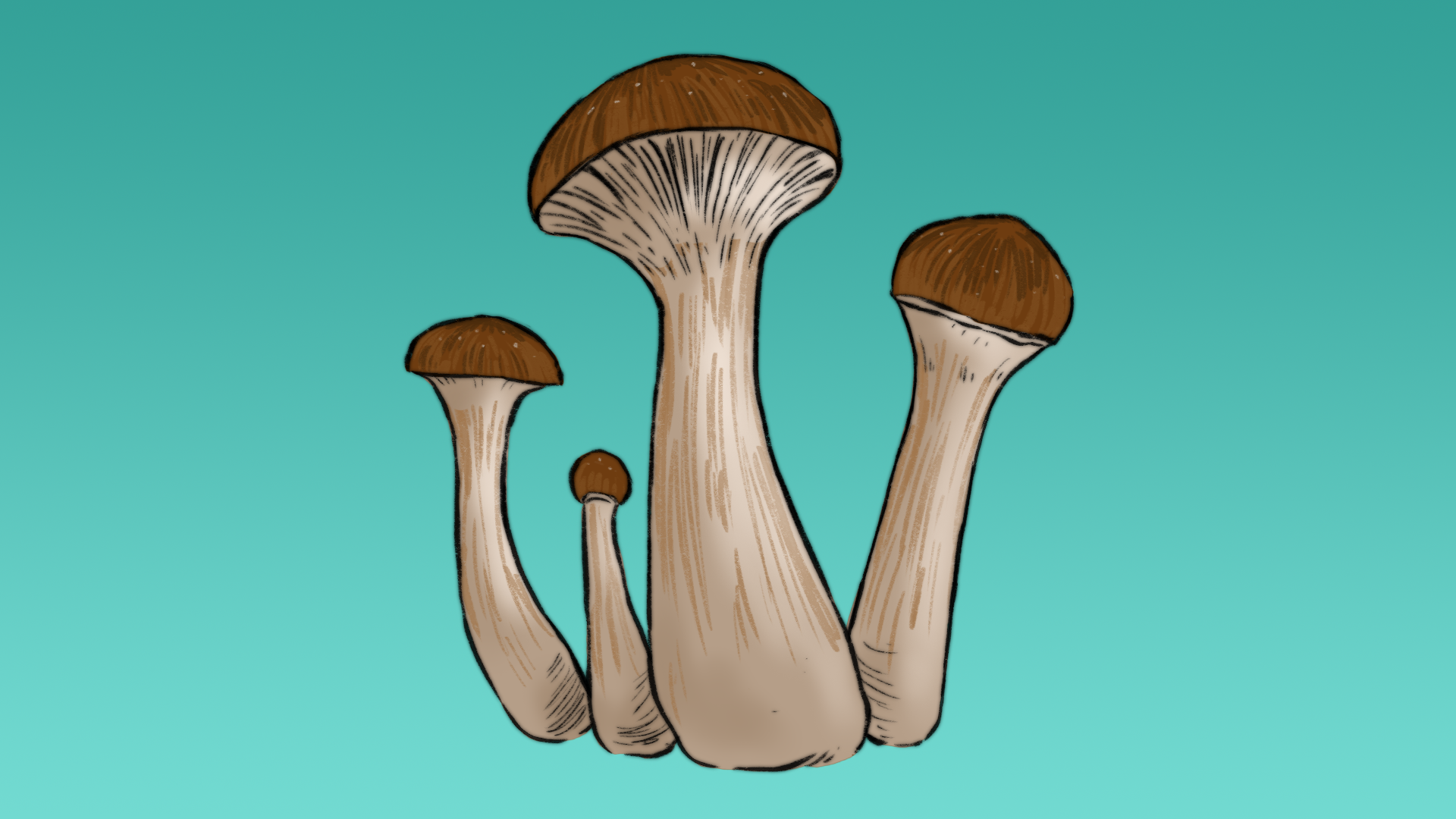

Psilocybin Mushrooms and Their Significance
Medicine is constantly searching for solutions to various illnesses. In practice, however, many ailments, especially those considered civilization-related and related to mental functioning, are still treated symptomatically. Depression is one of them. There are a number of preparations used to treat this mental disorder, but in cases such as treatment-resistant depression, both therapy and even the most powerful substances developed in laboratories fail to produce the desired effect. Nature, biology, and in this case, primarily mycology, come to the rescue. Psilocybin mushrooms are increasingly being studied by scientists around the world for the treatment of various disorders. What are they, how do they work, and what effects do they produce? This article, among other things, explains it. We encourage you to read it.
What are psilocybin mushrooms?
This collective term refers to mushrooms that produce psilocin and psilocybin, from where they got their name. These are substances with psychoactive effects. These mushrooms are incorrectly called hallucinogenic, as in reality, few species cause actual hallucinations. They do, however, influence a person’s perception, way of thinking, and mood.
What species of mushrooms are psilocybin mushrooms?
The most commonly described species of psilocybin mushroom is Psilocybe Cubensis, or the Cuban Psilocybe. However, it is not the only species capable of producing these organic chemicals. There are also a number of other types of mushrooms. Differences between them may lie in, among other things, the amount of compounds produced, as well as the fact that in addition to psilocybin, they also produce other substances, including: baeocystin and norbaeocystin.
Psilocybin mushrooms include the mushrooms, Conocybe, Copelandia, and others. Besides Psilocybe Cubensis, the following species are distinguished:
- Psilocybe semilanceata,
- Psilocybe mexicana,
- Psilocybe azurescens…
… and others.
What are the effects of psilocybin mushrooms?
As mentioned above, mushrooms from this group rarely cause actual hallucinations. However, they do have a psychedelic effect, affecting the perception of reality, causing visual distortions, for example, by changing colors. They can also distort the perception of time and space, and even induce a state of derealization. This is due to the effect of the substances they contain on the prefrontal cortex, which is responsible for the perception of reality, cognitive functions, and well-being.
It’s important to remember that reactions after using preparations obtained from these mushrooms depend on the dose taken. In controlled conditions, for example, where patients with depression are exposed to psilocybin, which is contained in these species, it has been suggested that it may be an effective treatment for this disorder. This is due to the fact that this compound is an agonist of serotonin receptors. It binds to selected receptors in nerve cell membranes, stimulating the release of serotonin. This has been suggested to potentially have a positive effect on mood and lead to lasting effects that other antidepressants cannot guarantee.
Psilocybin Mushrooms – Where Are They Used?
In the past, psilocybin mushrooms were used in folk medicine, but not exclusively. They were used by shamans seeking contact with the gods, as the substances they contained helped them “climb” to a higher level of consciousness, as well as by warriors, including likely the famous berserkers. People from European and American cultures found similar uses for these species.
In the 20th century, when psilocybin became the subject of scientific research, these mushrooms and the organic compounds they contain were widely considered intoxicating substances, leading to the criminalization of their cultivation and sale. Only growkits, which do not contain psilocybin-producing fruiting bodies, are permitted for sale. Fruiting bodies, however, may only be used for scientific purposes, by appropriately licensed facilities.
Nowadays, however, more and more laboratories are researching psilocybin for the treatment of various ailments, ranging from depression to obsessive-compulsive disorder. Therefore, although banned in many countries since the early 21st century, it is potentially becoming a solution to the growing problem of mental disorders.
Effects of Psilocybin Mushrooms
In microdoses, psilocybin, contained in certain mushroom species, affects not only perception but also emotional states. Studies conducted by, among others, Johns Hopkins University School of Medicine have demonstrated the effectiveness of this substance in treating severe depression, achieving the desired results in as little as a month. In the best cases, the effects of psilocybin therapy lasted up to a year. Moreover, the effects of psilocybin use in subjects were visible after just one week. People who scored 23 points on the Hamilton scale, indicating moderate (bordering on severe) depression, after one and four weeks of testing, gained only 8 points on this scale (bordering on mild depression), and over the course of a year, this score dropped by 1 point.
Psilocybin Mushrooms – The Future of Psychiatry?
It’s no longer surprising, then, that psilocybin, despite being a psychedelic, is increasingly seen as a potential effective treatment for depression. This is especially true given that many conventional medications are considered ineffective or ineffective. Psilocybin mushrooms can therefore be a salvation for people who have lost hope for mental health and, at least, a bearable life.